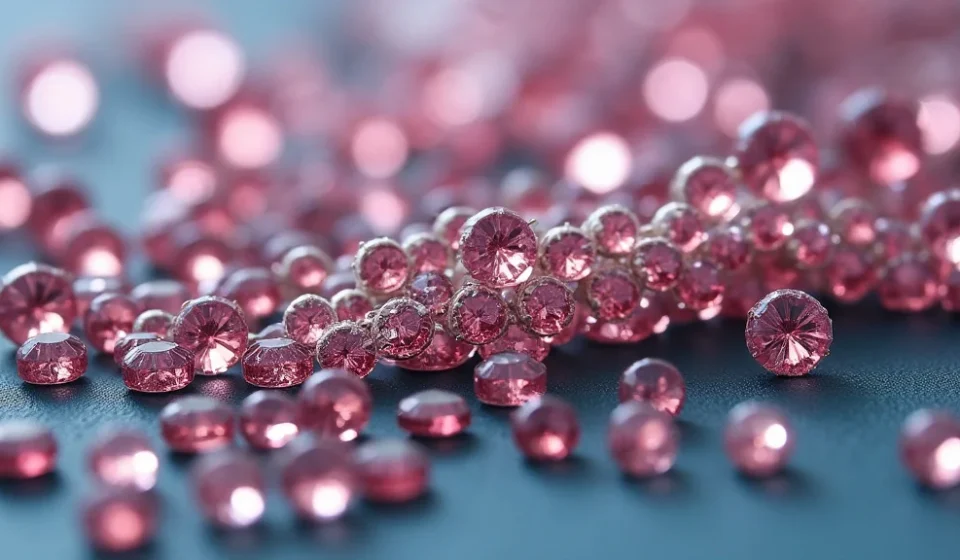

Remember that time you saw a dazzling necklace and thought, “Wow, I wish I could make something like that”? Well, you can! This guide explores the wonderful world of crafting rhinestone beads, breaking down everything from choosing the right materials to creating stunning designs. Forget feeling intimidated; we’ll equip you with the knowledge to begin crafting rhinestone beads confidently. You’ll learn the techniques to create your own sparkling pieces. You’ll also explore different styles and tips to elevate your craft. Get ready to transform ordinary objects into extraordinary creations and discover the satisfaction of making something beautiful with your own hands. Plus, you’ll learn how to avoid common pitfalls to ensure your projects shine.
Key Takeaways
- Learn the fundamental tools and materials needed to begin crafting rhinestone beads.
- Discover various rhinestone types, sizes, and their suitability for different projects.
- Master basic techniques for applying rhinestones to various surfaces.
- Explore different design ideas, color combinations, and project inspiration.
- Get tips on selecting the right adhesives for long-lasting results.
- Discover troubleshooting tips to correct any challenges.
Getting Started with Crafting Rhinestone Beads
The beauty of crafting with rhinestone beads lies in its simplicity and versatility. You don’t need a huge investment or a ton of experience to get started. Just a few essential tools and materials, a little bit of patience, and a dash of creativity are all you need. This section will guide you through the initial steps, ensuring you’re ready to create stunning pieces.
Essential Tools for Rhinestone Beading
Before you begin, gathering the right tools is essential for a smooth and enjoyable crafting experience. Thankfully, the toolkit is relatively straightforward, and most of the items are inexpensive and easy to find. Proper tools make the process easier and improve the quality of your finished project. It’s like having the right brush for a painting or the right screwdriver for a repair – it makes all the difference.
- Rhinestone Picker/Pen: This tool, often referred to as a “crystal picker,” makes it easy to pick up and place rhinestones with precision. These pens usually have a wax or sticky tip that grabs the rhinestones. A wax pencil is inexpensive and effective.
- Rhinestone Tray: A tray keeps your rhinestones organized and prevents them from rolling around. These trays usually have angled sides that allow you to pick up the rhinestones.
- Adhesive: High-quality glue is essential. Options include specialized rhinestone glue, super glue, or epoxy resin. The choice depends on the material you’re working with and the desired hold.
- Tweezers: While not always necessary, tweezers can be helpful for handling smaller rhinestones or positioning them precisely. They can be especially useful for projects requiring fine detail.
- Cutting Mat: Protect your work surface with a cutting mat. This is especially helpful if you’re working with a sharp craft knife to trim materials.
Imagine trying to place tiny rhinestones without a picker pen; it would be extremely tedious and frustrating. Or consider using the wrong glue and having your precious work fall apart. Having the right tools makes the process simpler, faster, and more enjoyable.
Choosing Your Rhinestone Beads
The world of rhinestones is vast and dazzling. Knowing the differences between them is key to a successful project. Different types of rhinestones can impact the overall look, cost, and durability of your creation. There is a whole spectrum of choices available to you. Understanding the options allows you to make informed decisions that match your vision. From the sparkle of glass to the affordability of acrylic, each type has its advantages and is suited to specific applications.
- Rhinestone Type: The most common rhinestone materials are glass, crystal, and acrylic. Glass rhinestones offer superior brilliance and sparkle, but they can be more expensive. Crystal rhinestones are also high quality, known for exceptional clarity and light refraction. Acrylic rhinestones are more budget-friendly and suitable for beginners, though they may have less sparkle than glass.
- Rhinestone Size: Rhinestones come in various sizes, measured in millimeters (mm), known as SS (stone size). SS3 (1.3-1.4mm) are the smallest, while SS30 (6.4-6.5mm) or larger are considered bigger sizes. The size you choose depends on your project, with smaller sizes suitable for fine details and larger sizes for more prominent designs.
- Rhinestone Color: Rhinestones are available in various colors, from clear (also called crystal or AB – Aurora Borealis) to vibrant hues and effects. Aurora Borealis rhinestones have a coating that reflects multiple colors, providing a shimmering effect. Consider the color scheme of your project when choosing your rhinestones. Do you want to create a monochromatic design or a rainbow of colors?
- Rhinestone Shape: Rhinestones come in different shapes, including round, square, oval, marquise, and many more. The shape can significantly affect the look and feel of your finished piece. For example, round rhinestones are versatile and suitable for many projects, while a square shape can create a more modern look.
Selecting the right rhinestones is the foundation of any project. Choose rhinestones that complement the materials you plan to decorate, whether it’s a piece of clothing, a phone case, or even a piece of furniture. A clear crystal rhinestone will look fantastic on a black evening gown, creating a timeless look. Consider the size of the surface you’re working with. A large item may require bigger stones to make a strong visual impact.
Applying Rhinestones: Techniques and Tips
Now that you have your tools and materials, it’s time to start applying those beautiful rhinestone beads. This section covers various techniques to help you attach rhinestones, from basic gluing to more advanced methods. Learning these techniques will enable you to create durable and visually stunning crafts. You’ll learn how to get the most sparkle out of your project.
Basic Gluing Techniques for Rhinestones
Gluing is the most common and accessible method for attaching rhinestones. The key is choosing the correct adhesive and using it effectively. Applying glue requires patience and precision to ensure the rhinestones stay in place and look their best. Practice is also important, as it helps you perfect your technique.
- Preparing the Surface: Ensure the surface is clean, dry, and free of dust or oils. This will allow the glue to adhere properly. If necessary, clean the surface with rubbing alcohol.
- Applying the Glue: Apply a small amount of adhesive to the back of the rhinestone or the surface where you want to place it. Use a toothpick or applicator for precision. Over-applying the glue can create a mess, while too little will not provide a good bond.
- Placing the Rhinestones: Use a rhinestone picker or tweezers to pick up the rhinestone and place it carefully onto the glue. Press gently to ensure it makes contact with the adhesive. Adjust the stone as needed before the glue sets.
- Setting Time: Allow the glue to dry completely before handling your project. The drying time will depend on the adhesive you use. Refer to the manufacturer’s instructions. Avoid moving the item around until the glue is dry.
Imagine you’re decorating a phone case. You might select a strong, clear-drying adhesive and precisely place each rhinestone using a picker pen. The time spent preparing the surface and applying the glue pays off in the longevity and appearance of your project.
Advanced Techniques for Rhinestone Application
As you gain experience, you can explore advanced techniques like heat-setting and using resin. These methods offer greater durability and allow for more complex designs. While they require more tools and skills, they can create professional-looking results. They allow you to add your unique style to the process.
- Heat-Setting: Heat-setting involves applying rhinestones with a heat-activated adhesive. A special tool is used to apply heat and pressure, bonding the rhinestone to the fabric. This method is common for apparel.
- Resin Application: Resin can be used to encapsulate rhinestones, creating a smooth, durable surface. This method is often used for jewelry-making and other projects requiring a protective coating.
- Embellishing with Non-Glue Methods: Some rhinestones can be sewn onto fabric. This may require pre-drilled holes in the rhinestones and a needle to attach them.
Consider creating a custom t-shirt with rhinestones. Using a heat-setting tool can attach the rhinestones to the fabric, making the design durable and washable. Or, imagine creating a piece of jewelry where you embed rhinestones into resin to create a unique and long-lasting design.
Design Ideas and Inspiration with Crafting Rhinestone Beads
Once you’ve mastered the techniques, it’s time to let your creativity shine! This section explores various design ideas and project inspirations using crafting rhinestone beads. Whether you’re a beginner or an expert, there are many project possibilities. You can create something special for yourself or as a gift.
Project Ideas with Rhinestone Beads
Rhinestones can be used in numerous projects. The only limit is your imagination. This section features ideas to inspire your own unique designs. With a bit of creativity, you can add sparkle to anything.
- Clothing Embellishment: Dress up a plain t-shirt, jeans, or jacket with rhinestones. Add a design to the neckline, sleeves, pockets, or the entire garment.
- Accessory Decoration: Customize phone cases, handbags, shoes, belts, and hats with rhinestones. Create unique patterns or add monograms.
- Jewelry Creation: Make your own necklaces, bracelets, earrings, and rings using rhinestones and various jewelry findings. Consider the use of wire, string, or earring hooks.
- Home Decor: Add rhinestones to picture frames, mirrors, candles, vases, and other home decor items to add a touch of glamour.
- Stationery Decoration: Decorate notebooks, pens, cards, and other stationery items with rhinestones. Rhinestone letters add a touch of glamour to greeting cards.
A simple, black dress can be transformed with a rhinestone design along the neckline or hemline. Or, personalize a phone case with rhinestones in your favorite color or pattern. Imagine creating a custom, sparkling picture frame as a gift.
Color Combinations and Design Inspiration
Choosing the right colors and designs can make your creations stand out. This section explores different color combinations, pattern designs, and other ideas to inspire your projects. A well-considered color scheme will make your creations visually interesting.
- Monochromatic Designs: Using shades of a single color creates a sophisticated and cohesive look.
- Complementary Colors: Pairing colors opposite each other on the color wheel, such as blue and orange or purple and yellow, creates high contrast.
- Analogous Colors: Using colors adjacent to each other on the color wheel, such as blue, blue-green, and green, creates a harmonious look.
- Patterning: Consider patterns, such as stripes, chevrons, polka dots, or geometric designs.
- Thematic Designs: Create designs based on a theme, like a floral pattern, a starburst, or an animal silhouette.
Consider a monochromatic design for a modern touch, perhaps using various shades of blue rhinestones on a denim jacket. Or, consider complementary colors, like a yellow floral design on a dark purple tote bag. If you are designing for a friend, consider incorporating their favorite colors or patterns.
Tips for Success and Troubleshooting
Even with the best planning, sometimes things don’t go as expected. This section provides tips for achieving success and troubleshooting common issues you may encounter while working with crafting rhinestone beads. By anticipating potential problems and knowing how to fix them, you can improve your skills and avoid unnecessary frustration.
Choosing the Right Adhesives
The adhesive is the foundation of your project, so it’s critical to choose the correct glue. The best adhesive will depend on the materials you’re working with and the type of project you’re making. The wrong glue can result in a design that comes apart or doesn’t look its best. This section provides the information you need to make the right choice.
- Material Compatibility: Make sure the adhesive is compatible with the surface you’re decorating. Some glues are not suitable for all materials. For example, some may not work well with plastics or certain fabrics.
- Bonding Strength: Consider how much stress the project will be under. For high-wear items, choose a strong, permanent adhesive. For delicate items or temporary designs, a less aggressive glue might be better.
- Drying Time: Drying time is the amount of time it takes the glue to fully dry and cure. Consider how long you want to wait for the glue to dry. Some adhesives dry in minutes, while others take hours or even days.
- Transparency: Opt for a clear-drying adhesive to avoid visible glue marks. This is especially important when working on light-colored materials.
- Toxicity and Odor: Consider the glue’s toxicity and odor, especially if you’re working in a confined space. Some glues can emit strong fumes.
When embellishing a piece of clothing, consider a fabric-specific glue that is flexible and can withstand washing. For a phone case, use an adhesive that bonds well to plastic and has excellent clarity. Always read the manufacturer’s instructions for the best results.
Troubleshooting Common Issues
Even with careful preparation, issues can arise. Knowing how to troubleshoot can save your project. This section addresses some of the most common issues you might encounter and offers solutions. These tips will help you complete projects with greater confidence.
- Rhinestones Falling Off: This is one of the most common problems. If your rhinestones fall off, ensure you have used a strong adhesive appropriate for the material. Thoroughly clean and prepare the surface.
- Glue Visible: If glue is visible, use a clear-drying adhesive and avoid over-applying it. If visible glue is present, try wiping it away gently with a damp cotton swab while it’s still wet.
- Rhinestones Misaligned: This can happen during application. Use tweezers or a rhinestone picker to reposition the stones before the glue sets.
- Lack of Sparkle: Clean your rhinestones. Over time, dust or residue can dull their brilliance. Use a soft, lint-free cloth to gently wipe them.
- Uneven Surface: Some surfaces may be uneven, causing rhinestones to sit awkwardly. Try using a layer of fabric or a similar material to provide a more even base.
If rhinestones are falling off a garment after washing, it could be a sign you used the wrong adhesive or did not allow the glue to cure completely. If glue is visible on a dark surface, use a toothpick to carefully remove excess adhesive while it is still wet. Proper care and application will prevent many of these issues.
The crafting of rhinestone beads offers a fulfilling avenue for artistic expression and creative exploration. From the initial stages of selecting tools to the final touches of a project, the entire process is a fun way to create unique pieces. The process combines patience, creativity, and attention to detail. Armed with the right techniques, knowledge, and tips, you can transform ordinary objects into extraordinary creations.
Common Myths Debunked
Myth 1: Crafting Rhinestone Beads Is Only for Professionals
In reality, crafting with rhinestones is accessible to everyone. With simple tools and clear instructions, anyone can start. You don’t need years of experience; the basics are easy to learn. The best part is that you can start on projects of any size.
Myth 2: Rhinestones Are Always Expensive
Acrylic rhinestones offer a budget-friendly option. While some rhinestones can be costly, acrylic ones provide a similar visual appeal at a lower price point. This allows you to explore the craft without a significant investment.
Myth 3: Glue is the Only Way to Attach Rhinestones
There are multiple ways to attach rhinestones. Heat-setting is excellent for fabric, while resin application adds a protective coating. Sew-on rhinestones are also available. These methods offer versatility, increasing the options for your designs.
Myth 4: Rhinestones Always Fall Off
When proper adhesive is selected and properly applied, rhinestones can remain securely attached. Preparing the surface, using the right glue, and allowing for sufficient drying time will make the bond durable. Applying a protective sealant can provide extra reinforcement.
Myth 5: All Rhinestones Are the Same Quality
Different materials like glass and acrylic impact the quality of the rhinestones. Crystal offers the highest brilliance. Glass provides an excellent sparkle. Acrylic offers a budget-friendly option. Each type has a unique appeal, and the best choice depends on the project.
Frequently Asked Questions
Question: What’s the best way to clean rhinestones?
Answer: Gently wipe the rhinestones with a soft, lint-free cloth or cotton swab dipped in rubbing alcohol. Avoid harsh chemicals.
Question: What do I do if I get glue on my project?
Answer: If the glue is still wet, gently try to wipe it away with a damp cotton swab. If the glue is dry, you may be able to carefully scrape it off with a craft knife or needle. However, be cautious not to damage the surface or the rhinestones.
Question: Can I wash items decorated with rhinestones?
Answer: Yes, but it depends on the adhesive and the garment. If using a heat-set or fabric-specific glue, you can often wash the item by hand or on a delicate cycle. Turn the item inside out and avoid excessive agitation. Air drying is usually recommended.
Question: Where can I buy rhinestones?
Answer: Rhinestones can be purchased at craft stores, online retailers, and specialty bead shops. Prices and selections vary, so compare options before buying.
Question: How do I store my rhinestones?
Answer: Store rhinestones in a tray or container with compartments to keep the colors and sizes separate. Store them in a cool, dry place away from direct sunlight.
Final Thoughts
Crafting with rhinestone beads is more than just a hobby; it is a means of personal expression. From selecting the perfect rhinestones to mastering the application techniques, the journey allows you to unleash your inner artist. With each project, you’ll refine your skills and develop your unique style. Remember that the beauty lies in the creation process. Do not be afraid to experiment, learn from your experiences, and enjoy the sparkling results. Embrace the joy of crafting, and let your creativity shine! Remember, you can create something beautiful with your own hands. So gather your supplies, let your imagination take flight, and begin crafting those dazzling pieces.