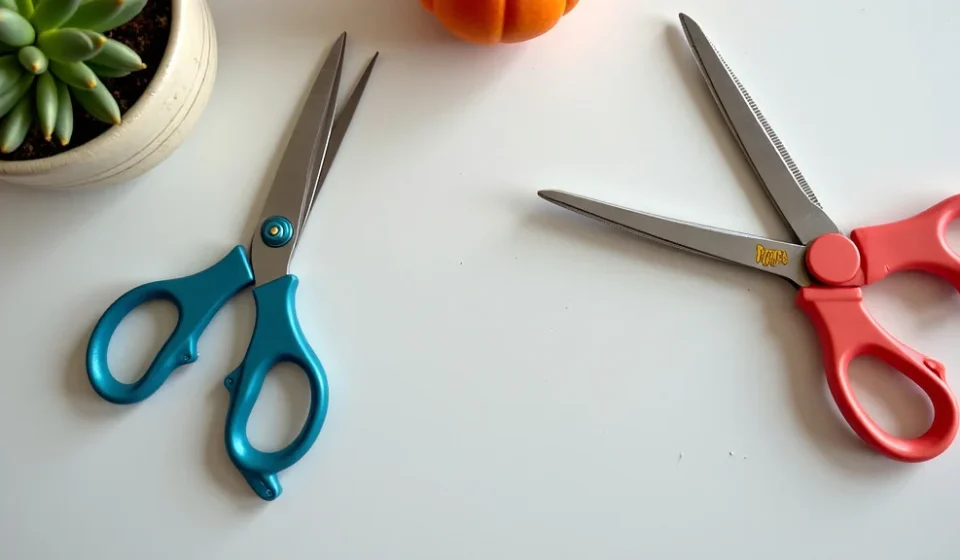

Remember that old pair of scissors you used as a kid to make those cool paper snowflakes? What if those scissors could create something even more interesting? Have you ever considered the unique patterns you can achieve with crafting zig zag scissors? This guide will show you how to get the most out of these specialized tools, from understanding their different types to mastering various cutting techniques. You’ll learn the secrets to creating decorative edges on paper, fabric, and more. This post will give you the knowledge to elevate your crafting projects and help you explore the versatility of crafting zig zag scissors. You’ll leave with a better ability to bring your ideas to life.
Key Takeaways
- Learn the different types of zig zag scissors available and their uses.
- Discover the best materials for crafting with these scissors.
- Master basic and advanced cutting techniques for various projects.
- Find tips on how to care for your scissors to extend their lifespan.
- Explore creative project ideas using zig zag scissors.
- Understand the benefits of using these scissors over regular ones.
Unlocking the Potential of Zig Zag Scissors
Zig zag scissors, also known as pinking shears, are a fantastic addition to any crafter’s toolkit. They provide a distinct, saw-tooth cut that adds visual flair to any project, preventing fabric from fraying and giving paper a unique edge. Their popularity comes from their versatility, ease of use, and the creative possibilities they open. This section will introduce the basics of these cutting tools, exploring their history and the materials they’re suited for, setting the foundation for your crafting adventures.
A Brief History and Evolution
The history of pinking shears traces back to the early 20th century, emerging as a solution to prevent fabric edges from unraveling. Initially designed for the garment industry, they quickly gained popularity among home sewers and crafters. The original design, featuring two blades with a series of teeth, remains a core element today. Over time, advancements in materials and design have led to a diverse range of zig zag scissors, each suited for different applications and materials. This evolution showcases how a simple tool can significantly impact creativity and functionality.
- Early Innovations: Initially, these scissors were hand-operated and primarily made of steel. The teeth were often larger, and the cutting process was slower, but effective. This early design paved the way for the tools we use today.
- Material Advances: As technology progressed, so did the materials used. Stainless steel blades became common, offering better durability and resistance to rust. Handles evolved from simple metal to more ergonomic designs, improving comfort during extended use.
- Design Variations: Various tooth patterns and blade lengths emerged to cater to different fabrics and paper weights. Some scissors now feature spring-loaded mechanisms for easier cutting, especially when working with thicker materials.
- Impact on the Crafting Community: The introduction of these scissors transformed the way people approached sewing, paper crafting, and other hobbies. The unique edges created by these tools added a professional touch to homemade projects, influencing craft trends.
Materials Best Suited for Zig Zag Cutting
The versatility of these scissors extends to the variety of materials they can cut effectively. Selecting the right tool for a specific material is essential for achieving clean, precise results. Knowing the materials compatible with zig zag scissors allows you to expand your creative explorations. This knowledge will guide you in choosing the appropriate scissors for your projects, ensuring the best outcome, and maximizing the tool’s performance.
- Fabric: These scissors are commonly used for cutting fabric edges to prevent fraying. They work well with various materials, including cotton, felt, and lightweight denim. The zig zag cut creates a more secure edge compared to a straight cut.
- Paper: They are perfect for paper crafting, allowing you to create decorative borders, edges for scrapbooking, and greeting card designs. The unique cut adds a creative dimension that straight-edged scissors can’t provide. Thicker paper stocks might require a sturdier pair.
- Photos: While less common, these scissors can be used to add a decorative edge to photos. This is often used in scrapbooks or other projects where a creative border is desired.
- Craft Foam: Depending on the thickness, craft foam can be cut effectively with these scissors. The zig zag edge provides a unique texture, ideal for creating decorative elements for projects. Be sure to select scissors that can handle the thickness of the foam.
Different Types of Zig Zag Scissors and Their Uses
Not all zig zag scissors are the same; different styles are available to meet various crafting needs. Different blade shapes, sizes, and design variations offer specific advantages. Knowing the distinctions between these types ensures that you choose the perfect tool for your project, enhancing the precision and aesthetic outcome. This section will guide you through the features of each type, allowing you to make informed decisions and unlock the tools’ full potential.
Pinking Shears
Pinking shears are the most common type of zig zag scissors, characterized by their large, saw-tooth blades. They are specifically designed for cutting fabric edges to prevent fraying. Their robust design and powerful cutting action are suited for a wide range of fabrics, from delicate silks to heavier materials. The classic shape and functionality of pinking shears make them essential for both professional and amateur sewing projects.
- Purpose: Primarily used to finish the edges of fabrics to prevent them from unraveling, which adds longevity to the fabric.
- Blade Design: Large, triangular teeth spaced evenly along the blades. This design provides a clean cut and grips the fabric firmly.
- Materials: Best suited for fabrics, including cotton, linen, silk, wool, and other woven materials. They are also suitable for felt and some types of paper.
- Ergonomics: Typically feature ergonomic handles designed for comfort during extended use. The handles are often slightly offset to provide a better view of the cutting line.
Decorative Scissors
Decorative scissors come in a wide range of styles, offering a variety of patterns beyond the traditional zig zag. These tools enhance the edges of paper and other materials. Their unique designs add a creative dimension to crafting projects, allowing you to easily create intricate borders and designs. Whether you’re making scrapbook pages, greeting cards, or other crafts, decorative scissors offer endless possibilities.
- Variety of Designs: Feature blades with different patterns, including zig zag, scalloped, wave, and various decorative shapes. This variety allows crafters to add unique edges to their projects.
- Materials: Primarily intended for paper, cardstock, photos, and thin craft materials. Some decorative scissors can also be used on fabrics if designed for this purpose.
- Applications: Ideal for scrapbooking, card making, paper crafts, and creating borders. They are useful for adding a creative touch to photos, invitations, and other paper projects.
- Blade Precision: The blades are usually smaller and more intricate, allowing for detailed cuts. The precision of the blades ensures clean and consistent patterns.
Specialty Scissors
This category includes specific designs for unique tasks and materials. From scissors made for specific fabrics or projects to those with features. These specialty scissors are designed to simplify intricate tasks and enhance precision, expanding the capabilities of these tools in crafting. These tools are the perfect addition to a complete crafting setup, allowing you to perform more complex projects.
- Fabric Shears with Zig Zag Blades: Designed for cutting multiple layers of fabric efficiently. Often have longer blades and a more robust construction to handle thicker materials.
- Spring-Loaded Scissors: Feature a spring mechanism to open the blades automatically, reducing hand fatigue, and are helpful for repetitive cutting.
- Multi-Blade Scissors: Allow you to cut multiple sheets of paper at once.
- Scissors with Adjustable Blades: Some scissors come with adjustable blade tension, allowing for different cutting thicknesses.
Mastering Techniques for Crafting With Zig Zag Scissors
Getting the most out of your zig zag scissors requires more than just understanding the different types; it involves developing effective techniques for various materials and crafting projects. The precision and quality of your cuts depend on how you hold the scissors, the angle at which you cut, and the material’s properties. This section covers key cutting methods and offers tips to help you achieve the best results, empowering you to create clean, precise cuts with ease.
Basic Cutting Techniques
The foundation of effective zig zag cutting lies in mastering a few core techniques. Understanding these techniques helps ensure that your cuts are straight, clean, and consistent. By practicing these fundamentals, you will build confidence in your ability to handle various materials and projects.
- Holding the Scissors: Hold the scissors comfortably, ensuring your thumb and fingers fit properly in the handle loops. This grip is crucial for control and precision, reducing hand fatigue, and allowing you to cut smoothly.
- Cutting Straight Lines: When cutting a straight line, focus on keeping the blades aligned and moving the material steadily. Look ahead at your cutting line and guide the scissors accordingly. Avoid lifting the scissors mid-cut.
- Cutting Curves: For curves, rotate the material while keeping the blades stationary. This will maintain a consistent cutting angle. Start with gentle curves and gradually work on more complex shapes.
- Cutting Corners: When you reach a corner, stop cutting, lift the blades, and reposition the material before continuing. This prevents over-cutting and ensures clean corners.
Advanced Cutting Methods
Once you’ve grasped the basics, you can explore more advanced methods to elevate your crafting skills. These techniques allow you to create intricate designs and handle challenging materials. Mastering these methods opens up new creative opportunities, allowing you to go beyond simple cuts. Experimenting with different techniques will help you customize your projects.
- Layered Cutting: Cut multiple layers of fabric or paper simultaneously, but be mindful of the thickness. For fabric, this can save time when finishing edges. For paper, layered cutting provides a layered effect.
- Freehand Cutting: Develop your ability to cut without the need for straight lines. This is useful for creating unique shapes and designs. Practice drawing a design on the material before cutting.
- Using Templates: Use templates to guide your cutting, ensuring consistent shapes and patterns. Trace the template onto the material and then cut along the lines.
- Combining Techniques: Blend different cutting methods to achieve complex and creative designs. Combine straight lines, curves, and freehand cutting for a personalized touch.
Tips for Different Materials
Every material presents unique challenges when it comes to cutting. Knowing these differences can help you improve the outcome of your crafting projects. From the right angle to the cutting force, understanding the characteristics of each material ensures a high-quality finished product. With these tips, you can adapt your techniques to cut materials such as fabric, paper, and craft foam with precision.
- Fabric: When cutting fabric, use a sharp pair of pinking shears. To prevent the fabric from shifting, pin or hold the fabric firmly. Cut with long, continuous strokes for straight lines, and go slowly for curves.
- Paper: Use decorative scissors or pinking shears. For detailed designs, use scissors with smaller blades. When cutting thicker paper, apply more pressure and make sure the blades are aligned.
- Photos: When cutting photos, be careful of the image’s surface. Make sure the blades are clean. Use smooth, slow cuts, and consider testing the scissors on a scrap piece before cutting the actual photo.
- Craft Foam: Use scissors with sharp blades to cleanly cut through craft foam. For thicker foam, apply more pressure and use slow, steady cuts. Stabilize the foam to avoid movement.
Caring for and Maintaining Your Zig Zag Scissors
Proper maintenance is essential to ensure your zig zag scissors last long and perform their best. Keeping your scissors clean, lubricated, and stored properly can significantly extend their lifespan and the quality of your cuts. Understanding these maintenance practices will allow you to maintain your tools in great condition.
Cleaning Your Scissors
Regular cleaning is one of the most critical aspects of maintaining your scissors. This helps keep the blades sharp and prevents the accumulation of material that can affect cutting performance. By incorporating a regular cleaning routine, you can ensure your tools are always ready for your next project. This step is a key component to extending the life of your tools.
- Wipe After Each Use: After each use, wipe the blades with a soft cloth to remove any debris or adhesive that may have accumulated. This will prevent build-up, and you can remove any lint.
- Regular Deep Cleaning: From time to time, use a cotton swab dipped in rubbing alcohol to remove any sticky residues. For stubborn residues, you can carefully use a toothpick or a dull blade.
- Remove Rust: If rust appears on the blades, use a rust remover or a fine steel wool to gently scrub away the rust. After removing the rust, wash and dry the scissors thoroughly.
- Sharpening and Professional Cleaning: Consider professional sharpening if the blades become dull. Professional cleaning can provide an in-depth cleaning and inspection of the scissors.
Lubrication and Storage
Proper lubrication and storage further enhance the life and performance of your zig zag scissors. Regular lubrication keeps the blades moving smoothly, while proper storage protects them from damage. These seemingly small steps contribute significantly to maintaining the tools. This can help you maintain your scissors for many years.
- Lubricating the Blades: Apply a small amount of machine oil or silicone lubricant to the pivot point of the scissors. Open and close the scissors several times to spread the lubricant.
- Storing Your Scissors: Store your scissors in a safe place, such as a drawer, tool roll, or a designated container. This prevents them from being damaged or coming into contact with sharp objects. Consider using a blade guard to protect the cutting edge.
- Preventing Moisture: Store your scissors in a dry place to prevent rust. Avoid storing them in humid conditions. If you live in a humid climate, consider using a desiccant pack in your storage container.
- Checking Blade Alignment: Regularly check that the blades are aligned. If they are misaligned, the scissors may not cut cleanly. You can gently adjust the blades, but consult a professional if you need help.
Creative Project Ideas With Zig Zag Scissors
The versatility of zig zag scissors opens up many creative possibilities. From paper crafts and fabric projects to unique decorative pieces, these scissors can add a distinct flair to any project. By experimenting with different materials and techniques, you can explore the creative versatility of this tool. This section will guide you through project ideas, enhancing your crafting and inspiring creativity.
Paper Crafts
Paper crafts are perfect for zig zag scissors because the unique edge adds visual interest. From scrapbooking and card making to decorative elements, these scissors can add a creative dimension to your designs. Explore the many techniques to make your projects come alive. This tool is perfect for enhancing any paper project.
- Scrapbook Borders: Create decorative borders for scrapbook pages by cutting along the edges of photos or paper. Use different patterns of scissors to enhance the visual appeal.
- Card Making: Make handmade cards with decorative edges. Add texture and style to the design. Combine multiple cutting patterns.
- Paper Lace: Cut intricate paper lace designs. Experiment with different types of paper for unique effects. Using templates can help make the detailed cuts.
- 3D Paper Art: Create paper art projects, such as paper flowers and origami, using zig zag scissors for an interesting edge. Cutting the edges of paper to create textured effects.
Fabric Projects
Fabric projects greatly benefit from the use of zig zag scissors. Whether you’re sewing, crafting, or designing, these scissors can prevent fraying, add decorative touches, and enhance the overall finish. Learn how to work with different fabrics and techniques to achieve professional-looking results. With these tools, your fabric projects will look their best.
- Preventing Fraying: Use pinking shears to finish the edges of fabric to prevent fraying. This is perfect for home décor projects like pillows and other fabrics. Using the tools in this way enhances the durability of the fabric.
- Appliqué Designs: Cut shapes with decorative edges for appliqué projects. This adds a creative element to your designs. Use different types of scissors for a variety of results.
- Embellishing Garments: Embellish garments with decorative edges on cuffs, collars, or hemlines. Create unique accents to clothing. Experiment with various fabric types to achieve personalized looks.
- Creating Fabric Flowers: Use zig zag scissors to cut petals and leaves for fabric flowers. Create texture and depth in your flower designs. Combine different patterns and textures for creative combinations.
Mixed Media and Other Projects
Beyond paper and fabric, zig zag scissors open the door to mixed media and other creative projects. The tool’s versatility expands to working with various materials and techniques. Whether creating art, home decor, or custom items, these scissors can transform ordinary projects into extraordinary pieces. The diverse applications of zig zag scissors allow you to explore innovative crafting and design.
- Mixed Media Art: Incorporate zig zag edges into mixed media art projects, combining paper, fabric, and other materials. Create textured and eye-catching pieces. Experiment with different colors and textures to achieve unique results.
- Home Décor: Create decorative items for your home, such as placemats, coasters, and custom banners. Use different materials and patterns to match your decor.
- Gift Wrapping: Add decorative edges to gift tags and wrapping paper. Create unique and personalized gifts. Try cutting decorative edges on ribbon or tissue paper to give the gift an extra touch.
- Jewelry Making: Use zig zag edges in jewelry making. Cut edges for creating texture, adding a unique finish to paper beads or fabric pendants. These unique pieces will be sure to impress.
Common Myths Debunked
Many myths surround the use and capabilities of zig zag scissors. Separating fact from fiction helps in making decisions about your tools and projects. This section clarifies these misconceptions, providing accurate information and insights to use the tools effectively. Understanding these myths will help you make the best use of these tools.
Myth 1: Pinking Shears Always Produce the Best Results on All Fabrics
While pinking shears are great for preventing fraying on many fabrics, they aren’t always the best choice for every material. For very thick or stiff fabrics, the cut may not be as clean or effective. Sometimes, a straight cut with another type of finish, like serging, is more effective on challenging materials. The best results often come from using the right tool for the right material.
Myth 2: Any Pair of Zig Zag Scissors Will Do the Same Job
The variety of blade designs, materials, and handle types means that not all zig zag scissors are alike. While basic functionality remains the same, the quality of cut, comfort, and the materials the scissors can handle vary. Choosing the right tool based on the project and the material is important.
Myth 3: Zig Zag Scissors Cannot Cut Precise Details
This is not true; while they are not ideal for the finest of detail work, skilled crafters can use zig zag scissors to create intricate designs, especially with practice. The size and type of the blades will determine how easy it is to cut complex shapes. With practice, you can cut shapes and designs with remarkable detail.
Myth 4: These Scissors Are Only for Beginners
The simple design and ease of use of these scissors make them perfect for beginner crafters. However, advanced crafters also make the most of zig zag scissors for a variety of projects. Whether you’re a beginner or an experienced artist, the tool’s versatility makes it a valuable asset for any project.
Myth 5: You Can Sharpen Zig Zag Scissors at Home Easily
While basic cleaning can be done at home, sharpening zig zag scissors is better left to professionals. The specialized blade design of these scissors needs expert care. Improper sharpening can damage the blades, reduce the cutting effectiveness, and ruin the tools.
Frequently Asked Questions
Question: What is the main purpose of zig zag scissors?
Answer: The primary purpose of zig zag scissors is to prevent fabric edges from fraying, but they can be used on paper, photos, and other materials to create decorative edges.
Question: What is the difference between pinking shears and decorative scissors?
Answer: Pinking shears typically have a larger saw-tooth design, and they are primarily used to prevent fabric fraying. Decorative scissors come with more blade patterns like scallops, waves, and other shapes.
Question: Can I use these scissors on multiple layers of fabric?
Answer: Yes, you can cut multiple layers of fabric simultaneously, but the number of layers will depend on the thickness of the fabric and the sharpness of the scissors. It’s usually better to cut a few layers at once to maintain cutting accuracy.
Question: How do I clean and maintain my zig zag scissors?
Answer: Regularly wipe the blades after each use, remove any sticky residue with rubbing alcohol, lubricate the pivot point with machine oil, and store the scissors in a dry place.
Question: What projects can I do with zig zag scissors?
Answer: You can use zig zag scissors for various projects, including scrapbooking, card making, fabric projects, home decor, and mixed-media art.
Final Thoughts
By now, you should have a firm grasp on the uses and techniques for crafting zig zag scissors. You’ve explored their history, various types, and the materials they’re best suited for. You should also understand how to master cutting techniques. Remember that the key is practice and experimenting with different materials and designs to push your creative boundaries. Consider how you can use these tools to make your creative ideas come to life. Start with basic techniques and slowly try more advanced designs. Happy crafting, and keep exploring the endless possibilities of crafting zig zag scissors!