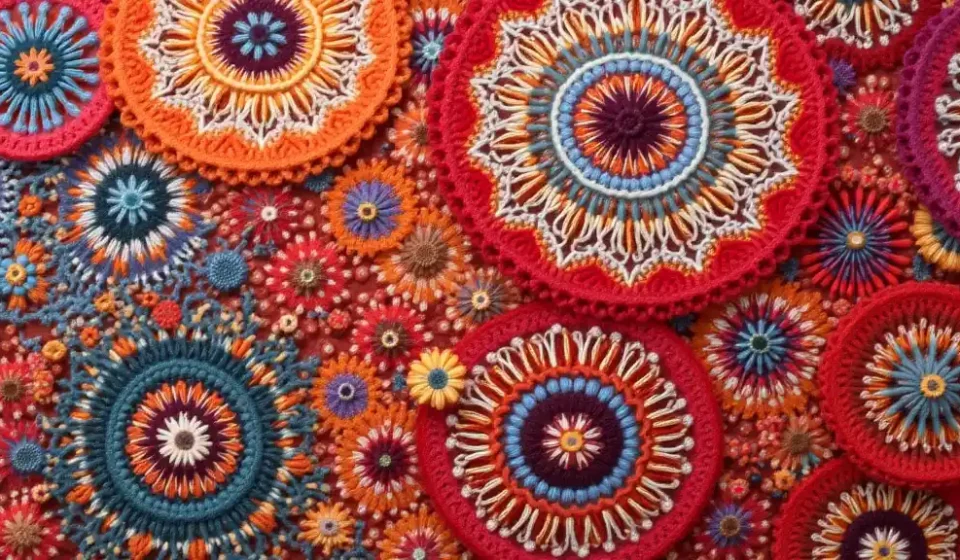

Remember that colorful blouse your aunt wore with those intricate, layered designs? Those are molas! I always thought they were incredibly difficult to create, a skill reserved for experts. I was wrong. This guide aims to help you explore the beautiful art of crafting mola. You’ll explore the history, techniques, and inspiration behind this unique art form. By the end, you’ll feel confident about starting your own crafting mola project. Get ready to discover a rewarding hobby and learn how to create your own textile masterpieces.
Key Takeaways
- You’ll learn about the history and cultural significance of molas.
- Understand the basic techniques and tools needed for crafting mola.
- Discover different design styles and color palettes to create your unique pieces.
- Explore the materials required to create a mola successfully.
- Find tips and tricks for improving your skills and avoiding common mistakes.
- Receive advice on caring for your finished mola art.
The History and Heritage of Mola Art
The mola, a vibrant textile art form, originates from the Kuna people, an indigenous group residing primarily in Panama and Colombia. Their culture, rich in symbolism and tradition, is interwoven with the creation of these intricate panels. The art form tells stories of Kuna life, beliefs, and history through its designs. It is an art passed down through generations, with mothers teaching their daughters the skills of crafting mola. These skills are a source of cultural identity and pride, and a way to preserve their heritage. Molas are more than just decoration; they are a visual language.
A Glimpse Into Kuna Life
The Kuna people’s connection to their land and the sea is reflected in their art. The bright colors used in molas are inspired by the natural surroundings – the vivid greens of the rainforest, the blues of the Caribbean Sea, and the gold of the sun. The designs themselves often represent animals, plants, and other elements of the natural environment that hold importance to the Kuna people. These images are not just decorative; they have symbolic meaning. The careful layering of fabrics and precise cutting techniques reflect the time-honored traditions and artistry of the Kuna people.
- Molas are typically created by Kuna women.
- They are often created in pairs.
- The designs often depict scenes from Kuna folklore or everyday life.
The evolution of mola designs is a fascinating aspect of this art form. Initially, molas were simpler, using a single layer of fabric and basic geometric shapes. Over time, the designs became more complex, incorporating multiple layers and intricate patterns. Modern molas now reflect external influences, including exposure to modern technologies and global artistic trends, while still retaining their cultural roots. This adaptation displays the dynamic nature of the art form.
From Body Art to Fabric Art
Before the arrival of Europeans, Kuna women decorated their bodies with elaborate designs using natural dyes. These body paintings served as a form of social expression and marked important life events. Over time, these designs were translated onto fabric, and the first molas began to appear on blouses. This transition allowed for more permanent and detailed expressions of artistic skill, which led to a growing emphasis on creating complex layered designs that showed their artistic abilities.
- Body painting inspired the earliest mola designs.
- The designs moved from body to clothing for practicality.
- Early molas were created with simple materials and tools.
The designs on a mola tell a story. Common themes include animals, plants, and geometric patterns. Each design has significance, representing ideas, beliefs, or aspects of the Kuna people’s history and daily life. The colors used have significance too. For example, red can symbolize life and energy, while black might represent strength or the night. This system of symbols ensures that molas are meaningful as well as beautiful.
Essential Tools and Materials for Crafting Mola
Starting with the correct tools and materials is important for a successful crafting mola project. Gathering the right supplies will enable you to focus on the creative process. The key is to select materials of good quality. This section provides a basic list of the tools and fabrics you’ll need, as well as some helpful tips.
Fabric Selection
Choosing the correct fabric is important for the look and feel of your mola. Cotton is the most used material because of its affordability, availability, and ease of use. It’s a good choice for beginners. However, there are different weights and types of cotton, so explore the options. Consider a tightly woven cotton that is less likely to fray, which is useful when cutting out the various layers. Look for fabrics that are colorfast, meaning the colors won’t bleed when washed. Fabric stores offer a wide variety of colors. The key is to choose colors that look good together and create interesting contrasts.
- Use tightly woven cotton fabric.
- Ensure the colors are colorfast.
- Experiment with a variety of colors and patterns.
While cotton is the most popular, other fabrics can be used. Linen offers a different texture and drape, creating a more sophisticated look. Silk can add a luxurious touch. When selecting fabric, consider the finished look you want to achieve. The number of layers impacts the project, so remember the colors you choose for the foundation layers will impact the final mola. This means careful planning from the beginning.
Tools of the Trade
Once you’ve selected your fabric, you’ll need a basic set of tools. High-quality tools make crafting mola easier and more enjoyable. A good pair of sharp fabric scissors are essential for cutting the intricate designs. Embroidery needles are needed for the reverse appliqué technique used in molas. A needle threader can be helpful for threading the needles. A small embroidery hoop will help hold the fabric taut while working on smaller details. A ruler and pencil are also needed for marking designs.
- Sharp fabric scissors.
- Embroidery needles in assorted sizes.
- A needle threader.
- An embroidery hoop.
Other useful tools include a seam ripper for correcting mistakes, and fabric glue or pins for temporarily holding layers together before stitching. The type of thread you use is also important. For hand stitching, embroidery floss is a good choice because it comes in a wide range of colors and is easy to use. Invest in high-quality tools that feel comfortable. Over time, they’ll become extensions of your hands. Keep your tools in good condition to guarantee they last for many projects.
Step-by-Step Guide to Crafting Mola
This section provides a step-by-step guide to help you create your own mola. It breaks down the process into easy-to-follow steps. It will help make crafting mola feel less overwhelming and more enjoyable. Remember, practice is essential. Don’t be discouraged if your first attempt isn’t perfect. Each mola you make will get better.
Planning Your Design
Before you start cutting and stitching, you need a plan. You can draw inspiration from the designs of the Kuna people, nature, or your own imagination. Begin with a simple design to understand the process. Create a basic sketch of your design. Then, decide on the layers of fabric you will use. Think about the colors and how they will interact with each other. A good design will have a balance of color, pattern, and negative space. Careful planning is essential to your overall project.
- Sketch a design.
- Decide on the number of layers.
- Choose your color palette.
Consider the color palette carefully. Choose a few main colors and then decide how to use them across the different layers. Colors should contrast well against each other to highlight the layers. Using a color wheel will help you pick a color scheme. You can create different effects with your color choices. A bold, vibrant palette will make a dynamic mola, while a more subdued palette will create a more tranquil piece.
Layering and Cutting
The heart of crafting mola is layering and cutting the fabrics. Start with the bottom layer and then layer the other fabrics on top. Make sure the fabrics are smoothed and well aligned. Using a pencil, lightly draw your design on the top layer. Be careful not to make the marks too dark. Use sharp fabric scissors to cut the top layer of fabric along the lines of your design. Only cut through the top layer, revealing the fabric below.
- Layer the fabrics, starting with the bottom layer.
- Draw your design on the top layer.
- Carefully cut the top layer to reveal the layer underneath.
Once you’ve made your initial cuts, it is time to start the reverse appliqué process. Fold back the edges of the cut fabric on the top layer. Then, pin it to the layer underneath. This will prepare the layers for stitching. The cuts on each layer reveal the fabric below. For more complex designs, continue adding layers, cutting, and folding back to expose more colors and create depth.
Stitching Techniques
Stitching is what holds the mola together. A small running stitch is the most common, and you can add other stitches for decorative effect. The type of stitch you use can change the look of your mola. As you stitch the edges, ensure they’re neatly turned under. This will help prevent fraying. Keep the stitches small and even. This gives the mola a polished look.
- Use a small running stitch to secure the edges.
- Experiment with other decorative stitches.
- Stitch neatly and evenly.
The stitch you use is important, but tension is key. Not too loose or too tight. Practice on scraps of fabric before you start on your mola. This will help you get a sense of how the needle and thread behave, and you can try out different stitch styles. The careful stitching will determine the overall appearance and durability of the mola. After completing the stitching, give your mola a light press with a warm iron to set the stitches.
Design Inspiration and Color Palettes
Finding inspiration is an important part of the crafting mola process. The designs of the Kuna people are a great place to start. Consider natural settings, geometric shapes, or even your favorite patterns. The colors you choose will also impact your piece. Understanding color theory can help you create designs that are visually appealing.
Exploring Mola Design Styles
The Kuna people have a rich history of design styles that you can explore. Traditional molas often feature symmetrical designs, with animals, plants, or geometric shapes. Modern molas experiment with new patterns. Some molas use abstract shapes or images from pop culture. The style you select will affect the feel of your mola. Do some research. Look at examples to inspire your own project.
- Research traditional Kuna designs.
- Experiment with modern design techniques.
- Incorporate personal imagery and styles.
When studying designs, look at how the Kuna people create balance and contrast. Look at the balance of positive and negative space in the designs. You can also get inspiration from nature, architecture, and other art forms. The most important thing is to use your imagination to create something new.
Color Theory and Color Palettes
The colors you use will have a powerful impact on the mood of your mola. The color wheel is a great place to begin. Colors that are opposite each other on the color wheel, like blue and orange, are complementary colors. They create high contrast. Analogous colors are next to each other on the color wheel, such as blue, green, and blue-green. These colors are harmonious and create a sense of unity. Experiment with different palettes to find what works best.
- Study the color wheel.
- Experiment with complementary and analogous colors.
- Consider the mood you want to create.
You can use warm colors, like red, yellow, and orange, to create a feeling of energy and excitement. Cool colors, like blue, green, and purple, create a sense of calm and peace. Think about how the colors work together and what feeling you want your mola to evoke. If you’re just starting, consider using a limited palette of just a few colors. The best color palette will make your mola stand out.
Caring for Your Mola Art
Proper care will ensure that your mola lasts for many years. Because of the materials used in crafting mola, these pieces need specific care. Knowing how to clean, store, and display your work is just as important as the creation process. This will keep your molas in great condition.
Cleaning and Maintenance
Molas should be hand-washed in cold water with mild detergent. Avoid using hot water or harsh chemicals, which can cause the colors to fade or bleed. Always test a small hidden area first to ensure the colors are colorfast. Gently squeeze out the excess water. Do not twist or wring the mola, as this can damage the fabric and stitches. Lay the mola flat on a clean surface, and let it air dry. If you need to iron your mola, use a low setting and place a cloth between the iron and the mola to protect the colors.
- Hand wash in cold water with mild detergent.
- Avoid twisting or wringing.
- Air dry flat.
Carefully storing your molas is also important. Keep them away from direct sunlight, which can cause the colors to fade over time. Store them in a cool, dry place. For display, protect your mola from dust and dirt by using a frame or a protective cover. Regularly inspect your mola for any loose threads or damage, and take care of the minor issues as they come up to prevent further damage.
Display and Preservation
The right display will highlight the beauty of your mola. Molas are often displayed in frames, which provide protection and add a professional look. Choose a frame that complements the design and color scheme of your mola. You can also mount the mola on a canvas or stretch it over a wooden frame. Consider using archival materials to protect the mola from damage. Use acid-free mounting boards and backing materials to prevent discoloration over time.
- Frame the mola with complementary colors.
- Use archival materials.
- Avoid direct sunlight.
By following these recommendations, you can enjoy your mola for a long time. These care tips are important, so remember to treat your mola with care. It’s a work of art and deserves to be treated as such.
Common Myths Debunked
Myth 1: Mola Art Is Only for Experts
Contrary to the belief that crafting mola is only for experienced artists, it is a skill anyone can learn with patience and practice. While some molas are highly elaborate, the basic techniques are straightforward and accessible to beginners. There is no need for advanced skills. Many people have mastered this art form. With the right guidance and materials, anyone can get started.
Myth 2: You Need Expensive Tools to Create Molas
The reality is you don’t need a lot of expensive equipment to begin. Although specialist tools are available, you can start with basic supplies like fabric, scissors, needles, and thread. High-end tools can be useful, but quality can be achieved with beginner equipment. Focus on developing your abilities and experimenting with different materials.
Myth 3: Molas Are Difficult to Learn
Crafting mola might seem complex, but the basic techniques are not difficult to learn. The main technique, reverse appliqué, is simple. The secret is to start small, with simple designs. As you get more experienced, you can work on designs. The key is to start, practice, and learn from mistakes.
Myth 4: Washing Will Ruin a Mola
While molas need specific care, washing does not automatically ruin them. Hand washing is gentle enough, using cold water and mild detergent. The key is to avoid harsh chemicals and high temperatures. Air dry the molas flat. With good care, your molas will last for many years.
Myth 5: All Molas are the Same
This is a misconception. Molas are not all the same. While all molas follow the basic reverse appliqué technique, the range of designs is huge. Some molas feature geometric patterns, while others display animals, plants, or figures. The colors and details also vary significantly, making each mola unique. Every artist expresses their individual styles.
Frequently Asked Questions
Question: What type of fabric is best for making a mola?
Answer: Cotton is the most used because of its affordability, availability, and ease of use. It’s a great choice for beginners.
Question: What is the reverse appliqué technique?
Answer: Reverse appliqué is a technique where layers of fabric are sewn together, then the top layers are cut away to reveal the layers below, creating the design.
Question: How do I choose colors for my mola design?
Answer: Use the color wheel. Then experiment with complementary colors (opposite each other) and analogous colors (next to each other) for your project. Consider the mood you want to create.
Question: Where can I find mola design ideas?
Answer: Look to the Kuna people’s designs, nature, architecture, and your own imagination. The internet can also provide a great source of inspiration.
Question: How do I care for my completed mola?
Answer: Hand wash in cold water with mild detergent. Avoid wringing or twisting. Air dry flat. Display away from direct sunlight and consider framing.
Final Thoughts
Embarking on the journey of crafting mola is not only a creative pursuit but also a connection to a rich cultural heritage. From the simple joys of selecting fabrics to the satisfaction of the last stitch, each step is a moment to grow your appreciation. Explore the use of color, and the significance of design. The possibilities are endless. Don’t be afraid to experiment with your designs. Embrace the challenges that come your way, and celebrate each completed piece as a testament to your efforts.