
Remember that feeling when you first sat down to write a story, paint a picture, or build something? That moment of pure, unadulterated potential? That’s the essence of crafting blanks. It’s about setting the stage for your creativity to flourish. This post will guide you through the process, helping you find inspiration, overcome those initial hurdles, and start your next project with confidence. By exploring the various aspects of crafting blanks, you’ll learn how to build a strong foundation for your creative endeavors. You’ll gain valuable insights that’ll improve your projects. Prepare to get inspired!
Key Takeaways
- Learn what crafting blanks are and how they help creative projects.
- Discover how to choose the right materials to suit your project.
- Explore strategies for preparing your workspace for optimal creativity.
- Find helpful tips for overcoming creative blocks.
- Learn how to manage and organize your blanks.
- Understand the importance of self-care while crafting.
What Are Crafting Blanks?
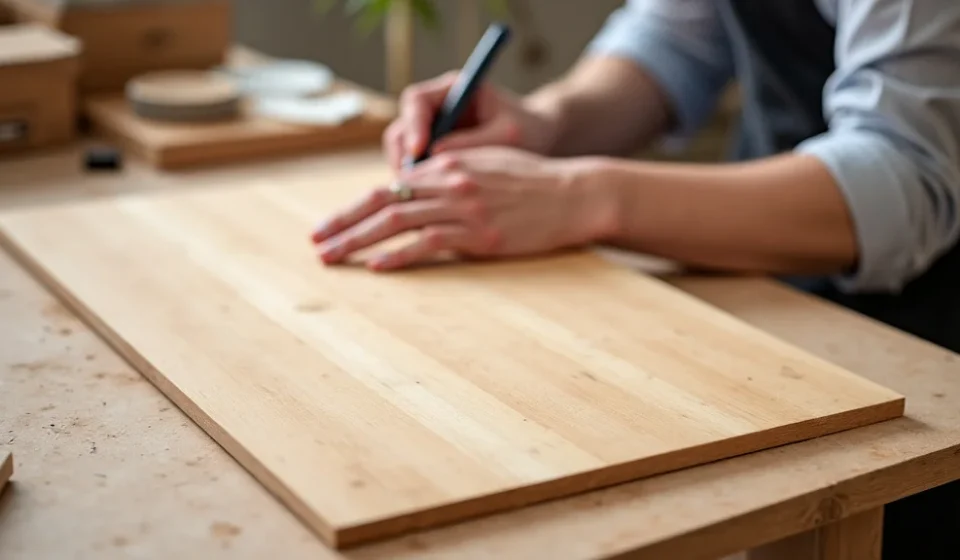
At its core, a “blank” in the context of crafting is a starting point, a foundation, or a base material that can be transformed. It’s the unpainted canvas, the empty page, the bare wooden surface, or the simple wireframe waiting to be reimagined. These blanks serve as a springboard for artistic expression. They provide a structure for your ideas to take shape. They reduce the initial hurdle of creating something from nothing. The beauty of crafting blanks lies in their versatility. They can be adapted to almost any artistic vision, from the simplest doodle to the most complex sculpture.
Consider the wide array of possibilities a simple wooden blank offers. You might purchase a plain wooden box, ready to be painted, stained, or decorated with decoupage. This blank becomes the focal point of a unique storage container. The same principle applies to other forms of artistry. For instance, a plain white t-shirt serves as a blank canvas for graphic designers. They can add screen-printed designs, hand-painted artwork, or even intricate embroidery to turn it into wearable art. This concept extends far beyond just visual arts. A musician could begin with a pre-written chord progression, or a writer could use a pre-structured plot outline. All of these are essentially blanks, waiting for creative input.
The Benefits of Starting With a Blank
One of the primary benefits of working with crafting blanks is that they significantly decrease the feeling of being overwhelmed by the task ahead. When facing a completely empty canvas or a blank sheet of paper, the possibilities can be so vast that it might lead to creative paralysis. Having a pre-made base reduces this feeling. It allows the creator to immediately focus on the decorative or transformative aspects of the project. It also saves time. For instance, instead of building a whole wooden chest from scratch, buying a pre-made blank lets you focus on the finishing touches, like staining and adding hardware.
Blanks also open up new avenues for creativity. They give us the chance to learn various new techniques. For example, by using a blank t-shirt, you might explore different printing methods like sublimation or tie-dye. These techniques can be combined with other skills, like embroidery or fabric painting. The use of blanks encourages experimentation and pushes the limits of your artistic abilities. They are also cost-effective. Purchasing pre-made blanks is often cheaper than buying raw materials and tools for creating something from scratch.
- Reduced Decision Fatigue: Starting with a blank narrows down initial choices.
- Faster Project Start: Blanks eliminate the need for time-consuming preparation.
- Increased Confidence: A base provides a clear starting point.
- Opportunities for Learning: Encourages exploration of different artistic techniques.
- Cost-Effectiveness: Blanks can save money compared to raw materials.
Choosing the Right Blanks for Your Projects
Selecting the proper blank is the essential first step in ensuring a successful outcome. The suitability of the blank depends on various factors: the project’s purpose, your artistic vision, and your skill level. The market offers a huge array of options. This allows you to choose the best surface to match your needs and the desired aesthetic. It is wise to consider the available supplies, and how you want the finished item to appear.
For example, if you are planning to paint, a canvas, a wooden panel, or even a ceramic tile could serve as your blank. If you want to create jewelry, the blanks could be the pre-cut shapes or a collection of beads. If you want to design greeting cards, cardstock or watercolor paper could be your best bet. The goal is to start with a blank that will make your work simple and fun. Also, consider the dimensions, and the material composition of the blank. These factors will directly affect the final result and the techniques you can use.
Material Selection
The material of the blank plays a crucial role in its final look. Different materials interact differently with the media and tools you use. Consider the specific medium. For instance, if you’re working with watercolors, use watercolor paper that is designed to absorb and hold water without buckling. If you are using acrylic paints, a canvas or a prepared wooden panel will be ideal. For jewelry, consider the durability and aesthetic appeal of the materials. Options like wood, plastic, metal, or even glass can be combined into unique pieces.
The material also influences the required techniques. For example, working with wood blanks might include sanding, staining, painting, or wood burning. Metal blanks might need specific adhesives, soldering, or stamping. The choice of material often shapes the creative possibilities of the project. A blank’s texture is important. A smooth surface is generally ideal for detailed work. A rougher surface can lend texture and character to your work.
- Wood: Ideal for painting, staining, and pyrography.
- Canvas: Versatile for paints, mixed media, and collage.
- Fabric: Great for textiles, sewing, and surface design.
- Metal: Perfect for jewelry, sculpture, and mixed-media projects.
- Paper: Great for drawing, painting, and printmaking.
Matching Blanks to Your Vision
Once you understand the available materials, it’s time to match them to your artistic vision. Start by sketching or visualizing your project. What overall look are you trying to achieve? Do you want a piece that is rustic, modern, detailed, or minimalist? The aesthetic you have in mind will greatly influence your choice of blank. If you’re designing a piece of jewelry, determine whether you’ll focus on beadwork, metalwork, or mixed media. This decision affects the type of blanks and materials that you’ll need.
Consider the color palette and texture you want to use. A smooth, white surface might be ideal for detailed painting, while a textured wood blank will add natural visual interest. Some blanks are designed with specific techniques in mind. For example, some wooden blanks have pre-cut shapes that are intended for mosaic tiling, while others are geared towards resin art. Considering the project’s practicality is equally important. Think about the piece’s use and its durability. A jewelry project may require materials that will withstand daily wear, while a home décor piece may need to withstand environmental factors.
- Define Your Project: Determine the purpose and desired aesthetic.
- Consider Your Medium: Match the blank to your chosen art supplies.
- Think About Texture: Choose surfaces that enhance your project.
- Factor in Practicality: Consider the durability and use of the finished piece.
- Seek Inspiration: Look for ideas online or in your community.
Preparing Your Workspace for Crafting Blanks
A well-prepared workspace can significantly boost your creativity. It’s about setting the stage for focused work. The physical environment plays a role in your mindset. Before starting any project, organize your supplies and clear away any distractions. Having an organized and designated area helps establish a creative routine and makes the process more enjoyable. Start with the basics. Ensure you have ample lighting. Natural light is best, but if it’s not available, make sure you use a bright overhead lamp or a desk lamp.
Next, arrange your supplies in an accessible way. Store your most-used items within easy reach, and keep your less-used items in storage. Consider creating zones within your workspace for different tasks. One area could be for cutting and measuring, while another is for painting or assembly. If possible, cover your work surface with a protective material, such as a drop cloth or craft paper. This saves your furniture from spills and mishaps. Keep a trash can, a cleaning cloth, and a few basic tools nearby to maintain a clean and organized work area. By creating an inspiring and efficient workspace, you’ll be able to focus on your project and reach your creative goals.
Workspace Organization Tips
To establish a productive workspace, begin with organizing your supplies. Use storage containers, jars, and drawers to categorize tools, paints, brushes, and other materials. Clear containers can display your supplies. This helps you find what you need at a glance. Labeling these storage solutions can make it easier to maintain the organization. Consider vertical storage to maximize space. Shelves, wall-mounted organizers, and drawer dividers can keep items in an orderly way. This will ensure that all the items are in their place.
Create dedicated areas for different tasks. You might have a cutting area with a cutting mat and ruler, and a painting station with an easel or flat workspace. Make sure you have enough light, and consider investing in a desk lamp to boost visibility. Keep your workspace clean and tidy as you work. This means having a trash can and a cleaning cloth close at hand. At the end of each session, take a moment to tidy up and put away your tools. You will have a fresh, inviting workspace the next time you get ready to create.
- Clear Clutter: Remove distractions and unnecessary items.
- Organize Supplies: Use storage solutions to categorize and label materials.
- Optimize Lighting: Ensure sufficient and appropriate lighting.
- Establish Zones: Designate areas for different tasks.
- Protect Your Surface: Use drop cloths or mats.
Creating a Creative Atmosphere
Crafting involves more than just the physical space. The atmosphere should reflect your creative process. Start by adding things that inspire you. Consider having artwork, inspirational quotes, or mood boards near your workspace. These visuals can help generate ideas and keep you motivated. Choose colors and décor items that boost your mood and stimulate your creativity. Soft colors and natural materials can create a calm and relaxing environment, while bright colors and bold patterns can boost energy.
Add sensory elements to stimulate your creativity. Play music, and consider essential oils to influence your mood. Make sure you have comfortable seating. If you intend to spend a lot of time crafting, ensure that the chairs or stools are supportive and the desk is at the right height. Take a break. Step away from your workspace to clear your head. Stretch, walk around, or get a drink. A well-prepared space that matches your needs and interests will create an environment that will encourage creativity.
- Add Inspiration: Display art, quotes, or mood boards.
- Choose Colors Carefully: Select colors and décor that set the mood.
- Incorporate Sensory Elements: Use music, essential oils, and textures.
- Ensure Comfort: Provide comfortable seating and good ergonomics.
- Take Breaks: Step away to refresh your perspective.
Overcoming Creative Blocks
Every artist, no matter their experience, faces creative blocks at some point. These blocks can manifest as a lack of inspiration, a sense of frustration, or a general feeling of being unable to get started. Recognize that creative blocks are common, and they are not a sign of failure. The goal is to develop strategies to overcome these obstacles and keep your creative process moving. Sometimes it helps to recognize what the block means.
A creative block may indicate that you need a break, a change of perspective, or to try a different approach. Start by analyzing the source of the block. Are you overwhelmed by the project’s size? Are you stuck in a rut? Are you afraid of failure? Once you’ve identified the root cause, you can start taking steps to overcome it. Don’t be too hard on yourself. Embrace the process and consider this phase a natural part of the creative journey. If you are stuck, give yourself permission to experiment, fail, and try again. It is all part of the process.
Brainstorming and Idea Generation
When you encounter a creative block, brainstorming can be a useful tool. Start by writing down any ideas, no matter how wild or unconventional. Use mind maps or free writing to explore a topic or project. These techniques can help generate new concepts and connections that you might not have considered. Look for inspiration from the world around you. Visit museums, browse online art galleries, or attend workshops. These experiences can stimulate your imagination. Read books or articles related to your area of interest. This will help you see new angles and ideas.
Consider starting small. Break your project into smaller tasks. This makes it feel less daunting. Focus on completing one specific, achievable task. This gives you a sense of accomplishment. Explore different techniques and approaches. Experiment with new media, materials, or styles. Try setting time limits. The pressure of a deadline can get you moving. Once you overcome the initial block, the creative process will flow more naturally. Brainstorming helps you find the right path to your project.
- Free Writing: Write down whatever comes to mind without judging yourself.
- Mind Maps: Visualize ideas and connections.
- Seek Inspiration: Visit galleries, read, and attend workshops.
- Start Small: Break your project into manageable tasks.
- Experiment: Try new techniques, media, or styles.
Changing Your Perspective
A change of perspective can be a good way to break through a creative block. Sometimes, stepping away from the project and engaging in a different activity can refresh your mind. This can be anything from taking a walk in nature to reading a book or listening to music. When you return to your project, you’ll have a fresh perspective and can see new possibilities. Sometimes, try viewing your project from a different angle. Look at your work as if you were someone else, or imagine how another artist might approach the task. This can open new angles for experimentation.
Change your work environment to try something new. Go outside or visit a new location. These changes can stimulate your mind and inspire new ideas. Talk to other people about your project. Seek feedback, share ideas, or simply discuss what you are doing. Sometimes the conversation can lead to new insights. Don’t be afraid to make mistakes. See these not as failures, but as learning opportunities. The ability to embrace mistakes and explore new ways makes room for creativity.
- Take a Break: Step away from your project.
- Change Your View: Look at your project from a new angle.
- Change Your Location: Try a different work environment.
- Talk to Others: Discuss your project with others.
- Embrace Mistakes: See them as learning opportunities.
Managing and Organizing Your Blanks
As you gather more crafting blanks, effective management and organization are crucial for maintaining a functional and inspiring workspace. Proper organization prevents wasted time, reduces stress, and ensures that you can locate your materials easily. Start by categorizing your blanks by type, size, material, or the project they are intended for. This enables you to find what you are looking for without rummaging through a mountain of supplies. Use clear storage containers to keep everything in view.
Label the containers clearly to show what they contain. Consider creating a database or inventory system to track the types and quantities of your blanks. This information is especially helpful if you buy a wide range of materials. Regularly assess and declutter your blanks. Discard any items you don’t use or are no longer interested in. This will free up space and maintain your focus. Make a habit of returning the blanks to their designated place after use. This maintains the order and makes the process more efficient.
Storage Solutions
The right storage solutions can help organize your crafting blanks and simplify your workspace. Choose options that match the dimensions and types of your blanks. For smaller items like beads or buttons, consider using drawer organizers or small clear containers. For larger items like canvases or wooden panels, consider using shelves, storage boxes, or flat files. Use vertical storage to maximize space. Utilize shelves, wall-mounted organizers, and drawer dividers. This arrangement will keep your materials organized and accessible. Consider using the space under your work surfaces for storing your materials.
Label all storage containers. This makes it easier to locate the needed materials. If possible, consider storing blanks in an environment that is at a stable temperature and humidity. This can help prevent damage. Maintain your storage space. Regularly remove any items that you no longer need. This will keep your space organized. The storage arrangement you use should be practical and complement your workspace. It should allow you to have easy access to the materials while keeping things organized.
- Clear Containers: Allows you to see what you have at a glance.
- Labeling: Clearly label containers for quick identification.
- Vertical Storage: Maximizes space with shelves and organizers.
- Dedicated Spaces: Designate specific storage areas for different items.
- Regular Decluttering: Discard unused blanks to maintain organization.
Inventory and Tracking
A well-organized inventory system can help manage your crafting blanks and prevent duplication. Start by creating a list or database of the blanks you have. List the types, sizes, materials, and quantities of the blanks. Also, record the associated projects they are intended for. You can use spreadsheet software or specialized inventory applications. Update your inventory records whenever you purchase new blanks or use existing ones. Record the date of purchase, the cost, and the source. The information can help you with budgeting and project planning. Regularly review your inventory to identify any blanks that you may not need.
Consider taking photos of your blanks. These can be helpful when you are planning projects or ordering new supplies. Track the usage of your blanks. Note which ones are used for each project. This can help you understand your preferences and improve your supply planning. Make it a habit to maintain your inventory. Regularly update your records and check for any items you want to keep. Maintaining a detailed inventory system provides clarity, prevents waste, and empowers you to make wise decisions. By tracking your materials, you can ensure that you always have what you need and avoid overbuying.
- Create a List: Catalog your blanks by type, size, and material.
- Use Spreadsheets: Track purchases, costs, and project associations.
- Update Records: Record new acquisitions and usage.
- Photos: Include photos for visual reference.
- Review Regularly: Assess your inventory and declutter.
The Importance of Self-Care While Crafting
Creating and crafting blanks can be an enjoyable and rewarding process, but it is important to include self-care. It involves finding balance, maintaining your well-being, and avoiding burnout. Incorporating self-care into your artistic practice will lead to a more positive and sustained creative experience. Understand that creative work can be challenging. You might experience setbacks, pressure, or a sense of frustration. By incorporating self-care, you can minimize these risks and keep your artistic practice sustainable.
Begin by scheduling regular breaks. This will help you rest your eyes, stretch, and clear your mind. Give yourself permission to disconnect from your project and engage in activities that bring you joy. This could be reading a book, listening to music, or spending time outside. Prioritize adequate rest, sleep, and nutrition. Give your body the fuel and support it needs to stay focused and creative. Pay attention to your emotions and mental health. If you are struggling with a project or experiencing feelings of frustration, reach out to friends, family, or a professional. By including these elements, you’ll be able to get the best from your creative work.
Balancing Time and Projects
Maintaining a balanced approach to the creative process involves organizing your time effectively. Start by setting realistic goals for each project and the time you devote to it. Break larger tasks into smaller, manageable parts. This reduces feelings of overwhelm and gives you a sense of accomplishment as you meet each milestone. Create a schedule that includes time for creative work, and also leaves room for other interests, relationships, and responsibilities. Learn to manage distractions, such as social media or email. When you are engaged in a project, turn off notifications, and keep your attention.
Be kind to yourself. If you have an unproductive day or fail to achieve your goals, do not be too critical. View it as an opportunity to change your approach or adjust your plan. Recognize that inspiration can come at different times. Be flexible, and allow yourself to take breaks when you need them. Prioritize your well-being. Make sure your physical, emotional, and mental health needs are taken care of. Taking care of yourself will keep you creative and avoid burnout. With balance, you will enjoy the crafting process.
- Set Realistic Goals: Plan for achievable project goals and timelines.
- Break Down Tasks: Divide projects into smaller, more manageable steps.
- Create a Schedule: Balance creative work with other activities.
- Manage Distractions: Minimize interruptions during creative sessions.
- Practice Self-Compassion: Be kind to yourself during setbacks.
Mindfulness and Creative Wellness
Mindfulness practices can provide you with tools to handle stress, increase your concentration, and boost your creative focus. Start by incorporating mindfulness techniques into your daily routine. This could be as simple as taking a few minutes each day to meditate, breathe deeply, or simply be present in the moment. When you feel a creative block or frustration, practice mindfulness to deal with those emotions. Accept your feelings and try to explore them rather than being consumed by them. Pay attention to your physical well-being. Regular exercise, a balanced diet, and sufficient rest will help you handle the physical demands of your creative work.
Create a space that promotes relaxation and focus. This can be your work area or a separate area in your home. Arrange it with calming colors, comfortable furniture, and items that inspire you. Practice self-care techniques. These include activities that make you happy, such as taking a warm bath, spending time in nature, or engaging in a hobby. Engage in activities you enjoy, to clear your mind and rejuvenate your creative energy. Taking care of your mental and emotional state can help you maintain your passion for crafting blanks and support long-term creative health.
- Practice Mindfulness: Incorporate meditation and breathing exercises.
- Manage Emotions: Accept and explore your feelings during creative setbacks.
- Prioritize Physical Well-being: Exercise, eat well, and get enough sleep.
- Create a Calming Space: Design a workspace that promotes relaxation.
- Engage in Joyful Activities: Participate in activities that bring you happiness.
Common Myths Debunked
Myth 1: You Need to Be Naturally Talented to Craft
Many think that talent is the most important factor in the success of an artist. The reality is that practice and persistence are more important than innate talent. Crafting, like any other skill, improves with repetition, learning, and patience. Anyone can learn to create something beautiful, no matter their perceived level of talent. Talent may give you a head start, but the determination to keep practicing and learning is what matters most. Embrace learning and remember that progress is a process.
Myth 2: Crafting Is Only for Certain Types of People
Some people believe that crafting is limited to a certain age group or gender. The truth is that creative expression has no limits. Anyone who wants to create is welcome, and the world of crafting is open to everyone. People of all backgrounds and interests can enjoy it. It is about discovering what you enjoy and giving your creativity a chance. Crafting is inclusive, offering many outlets for expressing yourself.
Myth 3: Crafting Is Expensive
Some people assume that creating requires lots of money. This can be true for some projects, but it is not necessary. Many crafting projects can be completed on a budget. Use materials that you already have, and buy the items you need for your projects wisely. Consider using pre-made blanks. They can be a cost-effective choice. You can also explore free resources. Crafting should be accessible to all.
Myth 4: Crafting Is a Waste of Time
Some people view crafting as frivolous. It is a productive hobby with several benefits. Crafting can reduce stress, give you a sense of accomplishment, and provide an outlet for creativity. It can also enhance concentration and cognitive function. Crafting is good for your mental health. It can be a great way to relieve stress and express yourself creatively. Crafting can benefit your life.
Myth 5: You Must Finish Every Craft Project
Many believe that completing every project is necessary. The truth is that the creative process matters. It is okay to start projects without finishing them. Sometimes, you may realize that the idea does not appeal to you anymore. Other times, you may just feel burnt out. Do not feel bad about abandoning a project. Focus on the learning and enjoyment of the process. Your mental health is the most important thing.
Frequently Asked Questions
Question: What is a crafting blank?
Answer: A crafting blank is a base material or pre-made item that you can alter or decorate to start your creative project. This can be an empty canvas, a wooden box, or an unfinished piece of jewelry.
Question: What are the benefits of using crafting blanks?
Answer: Blanks reduce the initial task of creating something. They are also useful for experimenting with new techniques and save time.
Question: How do I choose the right blank for my project?
Answer: Consider your project, your artistic vision, the materials, and your chosen techniques.
Question: What is the best way to organize my crafting supplies?
Answer: Group your supplies by type, use clear containers, and label everything.
Question: How can I overcome creative blocks?
Answer: Try brainstorming, seeking inspiration, changing your perspective, and taking breaks.
Final Thoughts
Crafting blanks are your gateway to a world of creativity and self-expression. They remove the barriers that stand between you and your artistic goals. Whether you are a beginner or experienced artist, these foundations can help you explore new ideas and improve your creative projects. By carefully selecting your blanks, preparing your workspace, and establishing a process for overcoming creative obstacles, you’ll be able to create stunning art. Also, remember to take care of yourself during this process. Celebrate your accomplishments, enjoy the process, and embrace the joy of crafting. Ready to start creating something? Go ahead. Pick up your favorite blank and begin your artistic journey. The world is waiting to see what you will make!