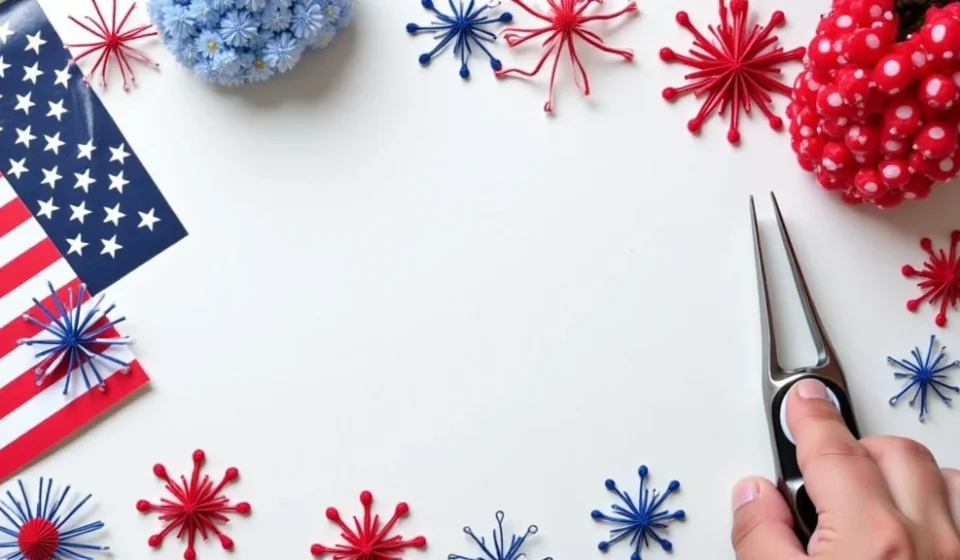

Remember that feeling of excitement, painstakingly drawing fireworks and stars on a handmade card for your family? I do! It’s a special way to celebrate, and it’s a memory I cherish. Crafting 4th of July cards offers a wonderful chance to express your patriotism and creativity. This post will guide you through various ideas, providing techniques and inspiration for making truly unique cards. You’ll learn how to transform simple materials into memorable expressions of holiday cheer, improving your card-making skills, while also exploring different styles. You’ll also learn the benefits of creating personalized cards, ensuring that your Independence Day greetings are as unique as your recipients! Get ready to make cards that will be treasured for years to come.
Key Takeaways
- Learn a variety of creative techniques for crafting 4th of July cards.
- Discover how to use different materials like paper, paint, and embellishments.
- Find inspiration for various card styles, from simple to elaborate.
- Explore ways to personalize your cards for a more meaningful touch.
- Understand how to add special effects for extra impact.
- Get tips for packaging and sending your handmade cards.
Embracing the Spirit of Independence Day with Card Creations
The Fourth of July, a time of celebration, fireworks, and the gathering of friends and family, is the perfect occasion to express your sentiments and share the patriotic spirit. What better way to do this than through personalized, handmade cards? Forget generic store-bought greetings. Imagine the joy of receiving a card created with care and passion, conveying your unique message. This section will explore the basics of crafting 4th of July cards and how they can be personalized to capture the essence of this special day. We’ll examine simple yet effective techniques, ensuring even beginners can create beautiful cards that will become cherished keepsakes. It is all about personal expression and heartfelt greetings, so let’s start!
Essential Materials for Your Patriotic Creations
Before you begin the card-making process, having the right supplies is essential. While you can customize your card with many supplies, here’s a foundational list that’ll get you started. Gathering these items ahead of time will streamline your creative process, allowing you to focus on the fun part. The selection of quality materials ensures a professional finish, whether you’re a seasoned crafter or just starting. Remember, the possibilities are only limited by your imagination. So, let’s explore some essentials.
- Cardstock: Choose a variety of cardstock colors, including red, white, and blue, to form the base of your cards. Consider different textures, like smooth or slightly textured, to add visual interest. Stock thicknesses vary, so experiment to see which you prefer for different effects. Heavier cardstock is typically better for detailed projects that require greater stability.
- Adhesives: Have several types of adhesives on hand, including glue sticks, liquid glue, double-sided tape, and foam dots. Different adhesives are best for different purposes. Glue sticks are quick and easy for simple tasks, while liquid glue offers more flexibility for detailed work and adhering embellishments. Double-sided tape provides a clean, secure bond, and foam dots add dimension to your cards.
- Decorative Paper: Consider using patterned paper with patriotic themes, such as stars, stripes, or fireworks. This can be used as a background or cut into shapes. The key is to find papers that complement your overall design. Consider using papers with different textures, like glitter or foil, to add interest to your crafting 4th of July cards.
- Embellishments: Gather an assortment of embellishments, including star stickers, ribbon, glitter, buttons, and sequins. These items add personality and charm to your cards. Experiment with different textures and colors. Don’t be afraid to mix and match embellishments to create unique designs.
- Tools: Essential tools include scissors or a paper trimmer for precise cutting, a pencil and eraser for sketching and making corrections, a ruler for measuring and creating straight lines, and a scoring board or bone folder for clean folds. Optional tools include hole punches, stencils, and craft knives for detailed work.
Using cardstock is the foundation for creating unique cards that allow for various techniques like stamping, painting, and layering. Selecting a cardstock with the correct color can immediately capture the essence of the holiday. Consider your card size when selecting your base. You can choose from pre-cut sizes or cut your own to save money.
Adhesives play a vital role in card-making. They bond different components together. Experimenting with various adhesive types allows you to achieve different effects, such as a raised, dimensional look, or a flat, secure attachment. A range of adhesives is the best practice for card-making. Consider the type of paper, embellishments, and overall design when choosing the best one.
The use of decorative paper enhances the card’s visual appeal, adding depth, dimension, and thematic cohesion. Selecting colors and patterns that mirror the holiday helps to establish the right tone, making the card more appealing. It is a fantastic way to introduce creativity and uniqueness. Paper options with glitter or foil elements can make cards stand out.
Embellishments are like the jewelry of the card. They make your card visually appealing and personalized. Choosing the right ones can enhance your card’s theme. Try mixing and matching colors, shapes, and textures to create a unique design. Remember that embellishments should complement your card, not overshadow it. Embellishments such as ribbon and glitter will enhance the message.
Having the correct tools makes creating much easier. A good paper trimmer, for instance, is the best option for quick cutting. A pencil, eraser, and ruler are essential for sketching and measurement. A scoring board creates clean folds. Choose tools that suit your needs. Remember the right tools can improve your card-making and allow for more detailed creations.
Techniques to Enhance Your Card Designs
Now that you have your materials, it’s time to learn some techniques to elevate your cards. Experimenting with different methods can transform simple paper and embellishments into stunning works of art. This section will explore a range of techniques, from basic to intermediate, ensuring there’s something for every skill level. You’ll gain the skills to create textures, add depth, and bring your designs to life. The best thing is to practice and see what works for you. Let’s delve into these techniques!
- Stamping: Use rubber stamps with patriotic images, such as flags, fireworks, or stars. Ink the stamps with various colored inks and press them onto your cardstock. Consider using different ink colors and layering stamps to create depth and visual interest.
- Paper Piecing: Cut out shapes from different colored papers and then glue them together to create a layered image. For example, you can create a flag by cutting out stripes from red and white paper and then assembling them onto a blue rectangle. This technique adds dimension and a unique visual effect to your cards.
- Watercoloring: Use watercolor paints to create beautiful backgrounds, add color to stamped images, or create hand-painted designs. Start with a light wash and add layers to build up the color. Be patient, allowing each layer to dry before adding the next. This adds an artistic and unique touch.
- Die-Cutting: Using a die-cutting machine or pre-cut dies, create shapes and designs from paper and cardstock. This technique allows for detailed cuts that would be difficult to create by hand. Die-cut shapes can be used to add embellishments or to create layered designs.
Stamping is a fundamental technique that adds professional-looking patterns and images to your cards. You can create different effects, from simple impressions to intricate designs. Start with basic shapes, and then explore more complex images. A variety of stamp pads can improve your creative options, from classic colors to metallics. It is a great way to add unique elements.
Paper piecing involves layering paper elements to create textured images. It lets you create custom shapes and designs with depth and texture. It’s a fantastic method for adding intricate details to your cards. Experiment with different paper types, colors, and textures to improve your designs. The technique is ideal for themed cards and can give the impression of a professional-quality design.
Watercoloring can transform your cards with its artistic and soft appearance. With watercoloring, you can mix colors, add texture, and create effects that are impossible with other mediums. Experiment with wet-on-wet and wet-on-dry techniques to achieve different results. This technique gives your cards a unique, personal touch, making them stand out.
Die-cutting offers a way to create precise cuts that can take your designs to the next level. You can use this to cut unique shapes for your cards. The machines use pre-made dies, ensuring precise results. You can use it to create backgrounds, add details, or create 3D embellishments. Die-cutting is a reliable and time-saving method.
Creative Card Ideas for Independence Day
Now, let’s explore some unique ideas to ignite your creative process. Whether you’re a beginner or an experienced card maker, these concepts offer a variety of ways to design crafting 4th of July cards. Each idea includes specific techniques, ensuring that the final products capture the essence of Independence Day. These ideas encourage originality, enabling you to design cards that are visually appealing and reflect the spirit of the holiday. Let your creativity guide you!
Designing Patriotic Cards
The core of Independence Day cards is the display of patriotic themes. Here are some design ideas to inspire your creativity. You’ll find these ideas easy to customize, allowing you to add personal touches. The goal is to capture the essence of the holiday. Here are some design ideas that are sure to impress your friends and family.
- Firework Display: Use various techniques, such as stamping, watercoloring, or glitter, to depict a firework display. Create a dark blue or black background, and then add colorful fireworks using ink, paint, or glitter. You can create bursts using star-shaped punches or draw them by hand.
- Flag-Inspired Cards: Create cards that mimic the American flag. Cut out stripes from red and white paper, glue them onto a blue background, and then add stars. This is a classic and patriotic design that’s easily customizable. Consider using different paper textures to add interest.
- Star-Spangled Creations: Use star-shaped punches or dies to create various star designs. Layer stars of different sizes and colors to add dimension. You can scatter stars across the card, create a star border, or use them to frame a message. Use glitter or metallic paper for sparkle.
- Red, White, and Blue Color Schemes: Design cards using a red, white, and blue color palette. Use these colors to create abstract designs, or incorporate them into your card backgrounds. Incorporating these colors is the easiest way to give your card a 4th of July design.
A firework display evokes the excitement and celebration of the holiday. This is easily achieved by using dark backgrounds, along with vivid colors and sparkle. It’s the perfect way to capture the excitement and joy of the event. To make the fireworks look real, consider blending colors, and adding highlights using white or silver pens.
A flag-inspired design makes a strong statement of patriotism. It’s a classic way to celebrate the Fourth of July. You can experiment with paper types, or include textured paper for a unique touch. Using cardstock provides the structure and color base for your project. This design is easily personalized and makes a patriotic tribute.
Stars are a popular symbol that will make your cards stand out. By using different-sized stars you can create depth and interest. Metallic paper and glitter add a touch of sparkle. This theme can be adapted to fit any card design. Stars are versatile, adding a festive element, whether used as embellishments or as part of the overall design.
Using the classic red, white, and blue color scheme ensures a thematic and patriotic design. This color scheme lets you create vibrant and eye-catching cards. Experiment with shades and patterns to create the style you desire. By mixing and matching, you can create a card that is as festive as the holiday.
Adding a Personal Touch
To make your cards even more special, consider adding a personal touch. This can involve writing a heartfelt message or incorporating personal elements. Adding a personal touch makes the cards stand out. Here are some tips on how to add a personal touch to your cards.
- Personalized Messages: Write unique messages inside your cards. Rather than generic greetings, include personalized notes that reflect your relationship with the recipient. This makes the cards more meaningful and memorable.
- Photo Integration: Consider adding a photo. You can include a picture of the recipient, their family, or a memory. This is a great way to personalize your cards and add a sentimental touch. It is also an excellent keepsake.
- Incorporate Hand-Drawn Elements: Add hand-drawn images to your cards. This can be anything from simple doodles to detailed illustrations. Hand-drawn elements add originality and showcase your creative skills.
- Custom Embellishments: Consider creating custom embellishments for your cards. This can involve making your own stamps, or designing unique paper cutouts. These custom elements will make your cards one-of-a-kind.
A handwritten message adds a personal touch and makes the card more meaningful. It shows the recipient you put thought and care into your card. Your sentiments can range from humorous anecdotes to heartfelt memories. Personalizing the message transforms a simple card into a treasured memento.
Including photos adds a nostalgic element, making your cards stand out. Adding images of the recipient’s loved ones brings a personal element. The image adds an emotional connection to the cards, enhancing the overall experience. Photo integration makes each card a unique gift, a keepsake.
Incorporating hand-drawn elements will make your cards unique. It shows the recipient you put time and effort into your card. It’s a great way to add a personal touch. Hand-drawn elements provide a creative outlet and a way to customize your cards. It allows you to express your individual style and artistic flair.
Using custom embellishments will make your cards distinctive. It is a fantastic way to showcase your creative skills and style. By creating custom elements, your cards become more personal. The unique, custom additions set your cards apart. This personalized aspect transforms a simple greeting card into a cherished item.
Adding Special Effects
You can enhance your cards by adding special effects that will make them visually exciting. This is not just about aesthetics, but also about elevating your designs. This can be achieved with techniques that will provide a high impact. Special effects are about taking your cards to the next level. Let’s explore some ways to make your cards more exciting.
- Glitter and Foil Effects: Incorporate glitter or foil paper to add a touch of sparkle. This will create eye-catching designs and capture the festive spirit. Using glitter and foil paper enhances the visual appeal of your cards.
- Embossing Techniques: Use embossing techniques to create raised designs. This adds a three-dimensional effect and increases the visual interest. It also adds a layer of professionalism. Embossing adds texture to your cards.
- Layering and 3D Elements: Build cards with multiple layers to create depth. Use foam dots or 3D embellishments to add dimension. This creates a visual impact. Layering elements provide a unique visual effect.
- Specialty Inks and Paints: Use specialty inks and paints, such as metallic inks or glow-in-the-dark paints. These can add a special touch and enhance your card designs. This will take your cards to the next level.
Glitter and foil paper adds an element of elegance and brilliance. Glitter can highlight specific design elements. The use of glitter or foil paper provides a touch of sophistication. It adds an element of sparkle, making your cards more attractive. The glitter effect captures the essence of celebration.
Embossing creates textured and visually engaging details. This technique adds depth and makes the designs pop. Embossing is ideal for details. These raised details draw the recipient’s attention. Embossing can improve the overall card experience.
Layering and 3D elements will make your cards visually appealing. This effect creates an eye-catching design. It is a great method to add personality to your cards. This will create a truly unique experience. Layering techniques make the cards more memorable.
Specialty inks and paints will create a distinctive and memorable card. They create a unique and visually engaging experience. Metallic inks offer a shimmer, while glow-in-the-dark paints will create a unique effect. The use of specialty inks can help your cards stand out. Specialty inks add an innovative, creative element.
Packaging and Sending Your Creations
Once you’ve crafted your beautiful cards, the next step is to package and send them. Presentation is a must. Here are some tips to get your cards ready to send out. Careful packaging adds an extra touch of care and shows how much you value the cards and the recipients. Here are some recommendations to get the best results!
Presentation and Protection
The presentation is key. Here are some key points to consider when packaging your cards.
- Envelopes: Use quality envelopes that match your card size and design. Choose colors that complement your card’s theme. Consider using decorative envelopes for added flair.
- Protective Measures: Insert your cards into cellophane or plastic sleeves to protect them. These will help to prevent damage during shipping and handling. This is key to protecting the cards.
- Personalized Labels: Consider using custom labels. These can be pre-printed or hand-lettered with the recipient’s name and address. Custom labels will improve your card’s look.
- Decorative Seals: Seal your envelopes with decorative seals. Use stickers or washi tape that complement your card’s design. This adds a decorative touch and enhances the card’s look.
Envelopes are vital. They protect and present your cards. Choose envelope colors that complement your card design. A decorative envelope adds a special touch. Selecting the right envelope enhances the overall presentation and impression.
Protective packaging protects your cards. It prevents moisture, dirt, and damage during transit. The best options are cellophane or plastic sleeves. This protective approach helps keep the card looking good. These protective measures ensure your cards arrive in pristine condition.
Personalized labels add a touch of formality. They create a distinctive look and enhance presentation. A personalized label makes the cards more special. They create a cohesive aesthetic, improving the overall experience.
Decorative seals add an aesthetic element. They enhance the overall presentation of the cards. The seals reflect the card’s theme and style. Consider incorporating patriotic stickers or washi tape. Decorative seals add style and create a memorable unboxing experience.
Mailing and Delivery
Now, let’s explore the best approaches for mailing your cards. Consider the size, weight, and delivery options to ensure a smooth delivery.
- Postage: Ensure your envelopes have the correct postage. The amount of postage depends on the size and weight of your card. Check current postage rates at your local post office.
- Shipping Options: Consider different shipping options, such as first-class mail or priority mail. Select an option based on delivery time and cost. Select an option based on your needs.
- Delivery Timing: Mail your cards in advance to ensure they arrive before Independence Day. Send your cards at least a week or two before the holiday. Planning ahead ensures your cards arrive in time.
- Special Handling: Consider special handling if your card is particularly delicate. Mark your envelope with “Do Not Bend” or “Fragile.” Extra care can help to protect your card.
Correct postage is essential to ensure delivery. Cards that are too heavy or thick may require extra postage. Review the current postal rates. Always double-check your envelope weight and size. Proper postage is essential for delivery.
Choose the best shipping method. First-class mail is often the most cost-effective. Priority mail offers faster delivery times. Consider tracking options. Choose the option best suited for your needs. The shipping method impacts both delivery time and cost.
Mailing your cards early is crucial for timely delivery. Consider sending your cards at least two weeks before the holiday. Early mailing will help to avoid delays. Allow enough time for postage and delivery. This will ensure your greetings arrive before Independence Day.
Special handling can help protect your card. Mark the envelope “Do Not Bend” or “Fragile.” Additional handling is great for protection. It can also ensure your cards arrive safely. Special handling measures protect your cards during delivery.
Common Myths Debunked
Here are some of the common misconceptions associated with crafting 4th of July cards.
Myth 1: Crafting cards is difficult and requires advanced skills.
Reality: Card-making can be simple and fun, even for beginners. Many techniques require basic materials and easy-to-follow steps. You don’t need to be an expert to create beautiful cards. Start with simple designs and gradually advance. There are many online resources and tutorials that can guide you.
Myth 2: Homemade cards look unprofessional.
Reality: Handmade cards can be very professional. Use quality materials, and take your time to create clean and well-designed cards. Personalization adds a unique touch that store-bought cards cannot match. A well-designed homemade card stands out. Attention to detail and good presentation will enhance the look.
Myth 3: Crafting cards is expensive.
Reality: Card-making can be very affordable. You can use simple and cost-effective materials like cardstock and basic embellishments. Repurpose materials, like scraps, to create unique cards. You can also purchase craft supplies in bulk for cost savings. Being creative is all that matters.
Myth 4: It takes too much time to make cards by hand.
Reality: Card-making can be time-efficient. Start with simple designs that are easy to create. You can make several cards at once, especially if you set up an assembly line process. If you have a few hours, you can create a batch of cards. The time spent is a worthwhile investment. The experience is both relaxing and rewarding.
Myth 5: It’s hard to find inspiration for card designs.
Reality: Inspiration is everywhere. Look online, browse craft blogs, and explore social media platforms for design ideas. Take inspiration from the theme of the holiday. Use color palettes, images, and other designs you like. Once you are creating, inspiration will come naturally.
Frequently Asked Questions
Question: What is the best cardstock for crafting?
Answer: For most card-making projects, cardstock that is 80-110 lb (216-300 gsm) is a great choice. It’s sturdy, easy to work with, and can handle various techniques like stamping and layering.
Question: What tools are essential for card-making?
Answer: Essential tools include a paper trimmer or scissors, a ruler, a pencil, an eraser, and adhesive like glue sticks, liquid glue, and double-sided tape. These tools will handle most card-making tasks.
Question: How can I make my cards more unique?
Answer: Incorporate personalized messages, use hand-drawn elements, or integrate photos. Customize your cards to reflect the recipient’s personality or memories. Custom touches will help your cards stand out.
Question: Where can I find design inspiration for my cards?
Answer: Look online at craft blogs, Pinterest, Instagram, or explore various card-making websites. Consider the holiday’s theme and color palette. You can get ideas from nature and design.
Question: How do I choose the right envelope for my card?
Answer: Choose an envelope that is slightly larger than your card. Consider using colors that complement your card design. A slightly larger envelope ensures your card fits comfortably, and protects it.
Final Thoughts
So, you’re ready to create something special! Crafting 4th of July cards is more than a creative task. It’s an opportunity to express your feelings and celebrate the spirit of Independence Day. You’ve explored various techniques, found inspiring ideas, and learned about the key materials and approaches to make your cards stand out. Remember the value of personalization and adding special touches that make each card unique and memorable. Armed with these insights, you’re prepared to craft cards that will be treasured and that provide a personal touch. Don’t be afraid to experiment, explore your creativity, and let your patriotism guide your design. Get started, have fun, and enjoy the satisfaction of giving a handmade card. Your efforts will surely brighten someone’s day. Happy card-making!