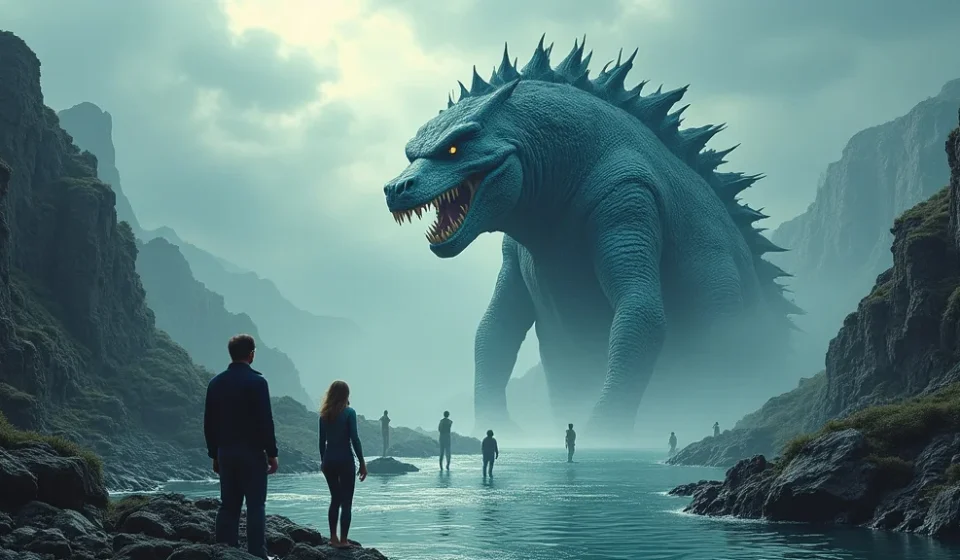

Remember that time you spent hours building a magnificent castle out of LEGOs, only to have a sibling (or a clumsy pet) accidentally demolish it? The frustration is real! But what if you could build something even more awesome, a vibrant world filled with colossal creatures? This blog post will show you how to start crafting kaiju paradise, a place where giant monsters roam free and epic battles unfold. You’ll explore the creative possibilities, learn essential design techniques, and discover how to build your own thriving kaiju paradise. Get ready to level up your imagination and build something truly colossal!
Key Takeaways
- Learn the fundamental principles of designing a believable and engaging kaiju environment.
- Discover diverse techniques for creating unique and memorable giant monster characters.
- Explore world-building strategies to create exciting habitats and ecosystems for kaiju.
- Understand how to implement conflict and stories within your kaiju paradise.
- Find ways to add depth and variety into your world using inspiration from real world sources.
- Explore the tools and platforms available for bringing your kaiju paradise to life.
Planning the Monster’s Habitat
Before you start building anything, picture your dream kaiju paradise. Imagine towering mountains, lush jungles, expansive oceans, and maybe even a volcanic wasteland. Think about the types of monsters you want to feature. Do they prefer tropical climates? Or do they thrive in icy regions? The environment you design will influence everything, from the types of creatures that can live there to the stories that unfold. A well-planned habitat is the foundation for any great kaiju paradise, providing both a home for the creatures and a setting for exciting narratives.
Geographical Considerations
Think about the basic geography. How big is your island? Is it one single landmass or a collection of smaller islands? The size will dictate how much space your kaiju have to roam and fight. Consider the shape of the land. Are there deep canyons, towering peaks, or vast plains? These features can affect how monsters move and interact. Consider natural phenomena as well; volcanoes, fault lines, and other geologic formations can add intrigue, potential hazards, and visual interest to your world.
- Landmasses: Consider the size and distribution of land. A large, interconnected landmass allows for diverse ecosystems and sprawling battles, while smaller islands create confined spaces, leading to unique interactions and strategic layouts.
- Elevation: Varying terrain adds visual interest and strategic opportunities. Mountains offer vantage points and natural defenses, while valleys create natural arenas for conflict.
- Bodies of Water: Oceans, lakes, and rivers provide habitats for aquatic kaiju and natural barriers or pathways for terrestrial ones. Consider currents, tides, and underwater features.
- Weather Patterns: Include dynamic weather in your world-building for added impact. Cyclones, droughts, and other weather phenomena can influence kaiju behavior and change the landscape.
- Natural Resources: Consider what the environment provides. Are there areas rich in specific minerals? Are there zones where specific creatures may feed? The types of resources present can influence a kaiju paradise.
Consider the placement of different environments, such as forests, deserts, and wetlands. These diverse regions support different types of kaiju. For instance, a dense jungle might be home to stealthy, ambush predators, while a barren desert suits a colossal, heat-resistant behemoth. Be sure to consider where resources are found, which allows for unique interactions between creatures. The placement of resources creates interesting conflicts over territory. The layout will dictate the stories that unfold.
Ecosystem Building
A thriving kaiju paradise requires more than just land; it needs a functioning ecosystem. That means you need to create food chains, consider predator-prey relationships, and account for how different species interact. Think about the plants and animals that exist in your world, and how they provide sustenance for your kaiju. These details will make your world feel more real and believable. Remember, a balanced ecosystem is essential for a dynamic and engaging kaiju paradise.
- Flora: Create unique plants, trees, and other vegetation. Consider plants that are resistant to kaiju attacks. Large, tough plants could be a natural food source or a source of shelter.
- Smaller Fauna: Include smaller animals in the environment. These creatures create food for your kaiju and add realism to the setting. Are there flying creatures to be hunted? Are there creatures that live within your kaiju?
- Food Chains: Establish a clear food chain. Identify primary producers, herbivores, carnivores, and apex predators. Consider how kaiju fit into these chains and influence the balance.
- Symbiosis: Consider relationships between different species of kaiju or between kaiju and their environment. Symbiotic relationships can create interesting dynamics and storytelling opportunities.
- Environmental Hazards: A good ecosystem isn’t just about food; it’s about all of the environmental factors, good and bad. Volcanic eruptions, natural disasters, and the kaiju themselves can create environmental hazards.
Think about the roles each creature plays within your ecosystem. Some kaiju might be herbivores, feasting on the massive vegetation. Others may be apex predators, ruling over vast territories. This complexity adds depth and offers more opportunities to tell interesting stories. Remember, the ecosystem is not static; it’s always changing due to weather, population, and the actions of the kaiju themselves. This ensures that the world always feels active and realistic.
Designing Memorable Kaiju
What makes a kaiju truly memorable? It’s not just size or destructive power; it’s a combination of unique features, compelling personalities, and well-defined origins. When designing your kaiju, focus on giving them distinct characteristics. Give them interesting abilities or weaknesses. This will make your creatures stand out and create opportunities for storytelling. Don’t be afraid to experiment with different ideas and combine elements from various sources to bring your monsters to life.
Defining Unique Traits
Give your kaiju distinct features that make them recognizable and interesting. Consider everything, from their overall shape and size to the specific details of their appearance. These features help players or observers distinguish between them and connect with them. When designing a kaiju, ask yourself what makes it unique in comparison to other creatures of its type. These details make your creation stand out, adding depth to the narrative.
- Physical Appearance: Consider unique scales, armor plating, horns, or other features that distinguish your kaiju from others. Experiment with different body shapes, sizes, and proportions.
- Abilities: Determine the unique powers or abilities that set your kaiju apart. Maybe it has the power of flight, or a potent breath weapon. These abilities give it a competitive advantage.
- Weaknesses: Every great kaiju should have a vulnerability. A specific weak spot, susceptibility to a certain element, or dependence on a resource. This adds depth to the character.
- Origin: Give your kaiju a backstory. Where did it come from? How did it get its abilities? A well-defined origin creates empathy and a connection with your creature.
- Personality: Give your kaiju a personality, which influences its behavior. Is it aggressive, intelligent, or protective? Personalities create stories, and make the kaiju more interesting.
Experiment with contrasting elements. A kaiju can have a tough exterior, but a hidden soft spot, or a monster that seems powerful may have a surprising weakness. The goal is to create creatures that are more than just destructive forces. Give them personality, and you will be able to make a connection with the players.
Inspiration and Influences
Draw inspiration from real-world creatures, mythology, and science fiction. Observe animals for unique ideas, such as how they move, how they hunt, and how they interact with their environment. Study mythology for fantastical beings, and science fiction for futuristic concepts. Use these influences to develop original kaiju designs.
- Real-World Animals: Study animal anatomy, behavior, and camouflage techniques. These details can inform the design of your kaiju.
- Mythology and Folklore: Research legendary creatures like dragons, hydras, and griffins. Take inspiration from their physical attributes, powers, and cultural significance.
- Science Fiction: Draw inspiration from sci-fi monsters, from the classic Godzilla to more recent creations. Incorporate elements of technological design.
- Art and Literature: Explore the works of other artists, writers, and designers. Identify elements that can be translated into unique and compelling kaiju designs.
- Hybrid Designs: Experiment with combining elements from different sources. Mix and match features of various creatures.
Don’t just copy; combine. Blend these influences to create unique designs. Look at the scales of a crocodile, the horns of a ram, and the wings of a bat. Use these observations to create something that is your own. The more diverse your influences, the more original your creations become.
Integrating Conflict and Narrative
A kaiju paradise isn’t just about the creatures; it’s about the stories they tell. Integrating conflict and narrative elements into your world brings it to life. Think about the types of conflicts that can arise in your paradise, from natural disasters to interspecies battles. Plan for compelling narratives that will keep the audience invested and entertained. A compelling narrative gives the setting a purpose.
Conflict Types and Dynamics
Consider the different types of conflicts that can drive stories in your kaiju paradise. From physical battles between kaiju to environmental challenges, conflicts drive engagement. The dynamic relationship between creatures can also affect the story. Understanding different conflict types gives you the tools to create a wide variety of scenarios for your audience.
- Inter-Kaiju Battles: Plan exciting battles between kaiju with different abilities and strengths. These conflicts can be territorial, resource-based, or personal.
- Environmental Hazards: Introduce volcanic eruptions, earthquakes, or storms to create conflict and test the kaiju’s survival skills.
- Resource Conflicts: Position kaiju in a location where resources are scarce. This can lead to conflicts over food, water, or territory.
- Human Interference: Introduce humans into your world and create conflicts based on their interactions.
- Internal Conflicts: Consider the internal conflicts of the kaiju. Develop a plot where kaiju deal with personal struggles.
When creating conflicts, consider the motivations of your kaiju. Do they act out of hunger, defense, or greed? A clear motivation makes the conflict more meaningful. The stakes are also critical. What are the consequences if a kaiju loses? These factors ensure the audience is more invested in the story.
Storytelling and Character Development
Use storytelling techniques to develop your characters and create narratives. Develop backstories, traits, and motivations. Give each kaiju a distinct personality and role within your ecosystem. Ensure that your stories have a clear beginning, middle, and end. Develop a clear objective for each story, to give a sense of purpose.
- Backstories: Create unique backstories. These backstories should influence their behavior.
- Motivations: Give each kaiju reasons for their actions. Whether it’s to protect their territory, hunt for food, or seek revenge.
- Relationships: Establish relationships between kaiju. How do they interact? These relationships can drive plots.
- Plot Structures: Use standard plot structures like ‘hero’s journey’ or ‘quest’ narratives.
- Themes: Incorporate themes such as survival, power, or responsibility to give your stories depth and meaning.
Think about the overall message you want your stories to convey. Do you want to explore the themes of environmental protection, power, or heroism? Every story should give your audience a reason to care about your creation. Create compelling characters, and give them a chance to face challenges.
Using Real-World Inspiration
You can create a unique and believable kaiju paradise by drawing inspiration from the real world. You can add detail and depth to your creations by using elements from real-world locations, animal behavior, and scientific concepts. Whether you’re designing the terrain, the creatures, or the narratives, drawing from reality ensures a rich and engaging experience.
Drawing Inspiration From Real Locations
Study real-world locations for your kaiju paradise. Look at different terrains, climates, and geographical features. Use these places to inform the design of your landscapes. This gives your world a sense of realism. If you want to create a dense jungle, study areas like the Amazon rainforest. Look at the structures of mountains, the dynamics of volcanoes, and the composition of deserts.
- Jungles and Rainforests: Study the dense vegetation, diverse wildlife, and tropical climates of locations like the Amazon.
- Mountains and Volcanos: Use mountainous regions, like the Alps or the Andes, to design dramatic landscapes. Incorporate active volcanoes.
- Deserts and Wastelands: Study arid environments, like the Sahara Desert, for their unique terrain and adaptation techniques.
- Coastal Regions: Consider shorelines, cliffs, and oceans. The Pacific Rim offers many examples.
- Arctic and Antarctic: The glaciers and frozen tundras provide inspiration for icy wastelands and frozen territories.
Consider the details when planning your environments. The more detail you add, the more compelling the world will be. Studying these places will inspire the design and contribute to the believability of your world. When you draw from the world, you give your creations a firm foundation.
Incorporating Animal Behavior and Ecology
Observe animal behavior and ecology. This is an important way to make your kaiju seem realistic. Study how animals interact, how they hunt, how they survive, and the way they form relationships. Use this information to inform your creatures. You can start with their anatomy and adapt it for a larger scale. This gives your creatures a sense of believability.
- Predator-Prey Relationships: Study how different animals hunt. This will help you define the hunting strategies of your kaiju.
- Social Structures: Observe how animals live in groups, and replicate it with kaiju.
- Migration Patterns: Study the movement patterns of animals. This informs how your kaiju move.
- Defensive Behaviors: Research how animals defend themselves, and use these ideas for your kaiju.
- Ecosystems: Study the roles different animals play within their ecosystems. This will make your world more dynamic.
Be creative and adapt ideas. Give your kaiju unique features that help them survive. Observe nature, adapt your findings, and create a paradise filled with life.
Tools and Platforms
Many tools and platforms can help you bring your vision of crafting kaiju paradise to life. These range from basic drawing programs to advanced 3D modeling software. The choice depends on your budget, skills, and the complexity of your project. Each tool has benefits and limitations, so you can explore and choose what suits your style best. If you can, start with accessible options and move to more complex ones as your skills develop.
Digital Art and Illustration
Digital art and illustration tools are great for concept art, character designs, and creating environments. These tools provide a wide range of options for experimenting with colors, textures, and details. They also offer the flexibility to make revisions and adjustments without having to start from scratch. These tools are perfect for developing visuals before you begin more complex design processes.
- Software: Programs like Adobe Photoshop, GIMP, and Krita are good for creating digital art.
- Tablets: Drawing tablets and styluses make it easy to draw and paint digitally.
- Brushes: Explore different brush types and customize them to achieve the right effects.
- Color Palettes: Experiment with color palettes and create a mood.
- Textures: Add textures. This gives your artwork more depth and realism.
Start with some of the free or low-cost options to get a feel for the process. Explore the different functions, and find a drawing style that fits. Digital art and illustration are essential for visualizing your ideas and creating unique visuals.
3D Modeling and Animation
3D modeling and animation software allows you to build three-dimensional models of your kaiju and their environments. With these programs, you can create detailed designs. This gives you a better view of how your creations work. You can also create animations, which allows you to show your creations in motion. These tools give you the ability to bring your crafting kaiju paradise to life.
- Software: Programs like Blender, Autodesk Maya, and ZBrush are good.
- Modeling Techniques: Study various modeling techniques like sculpting and polygon modeling.
- Animation: Learn how to animate your models to make them come alive.
- Texturing: Add textures and details to your 3D models.
- Rendering: Use rendering to create realistic images and animations.
3D modeling can seem difficult at first. Start by practicing the basics. Many online resources offer tutorials to get you started. Experiment with different techniques, and slowly build your skills.
Common Myths Debunked
Myth 1: You Need Advanced Skills to Start
Many people believe you need to be a professional artist or animator to start. The truth is that you can start crafting kaiju paradise with basic tools and simple techniques. Many free programs and resources are available to guide you. Focus on the core ideas first, and gradually build your skill.
Myth 2: A Kaiju Paradise Must Be Huge
The size of your paradise doesn’t matter. You can create a compelling world, regardless of scale. The focus should be on detail and storytelling. Some of the best stories can be told in a small space, with a few well-designed kaiju.
Myth 3: You Need Expensive Software
While professional software can be useful, it’s not a necessity. Many free and open-source programs offer powerful tools. You can make an amazing kaiju paradise on a budget. The key is to be creative and make use of the resources.
Myth 4: Kaiju Must Be Based on Existing Creatures
While it’s useful to draw inspiration, you don’t have to base your kaiju on existing creatures. You can create wholly original designs. The focus should be on creative ideas and imagination. This allows you to explore unique concepts and tell unique stories.
Myth 5: It’s Too Difficult to Learn
Building a kaiju paradise can seem complex, but it’s a process, not a destination. Take it step by step. Start with basic ideas, learn new skills, and experiment. There are countless resources online. Keep at it, and you’ll find it less difficult over time.
Frequently Asked Questions
Question: What’s the best way to get started?
Answer: Start by sketching out your ideas on paper. Then, try some basic digital art or 3D modeling exercises to familiarize yourself with the tools.
Question: How do I create realistic textures?
Answer: Use reference images, experiment with different brushes, and try techniques like bump mapping and normal mapping in your 3D software.
Question: How do I make my kaiju unique?
Answer: Combine elements from different sources, create unique abilities, and develop distinct personalities for each of your kaiju.
Question: Can I use AI tools for help?
Answer: AI tools can assist with brainstorming and generating ideas, but you still need to be the creative driver. Use them as tools.
Question: Where can I share my kaiju paradise?
Answer: Share your creations on social media, online art communities, and personal websites.
Final Thoughts
Crafting kaiju paradise is a fantastic way to unleash your imagination, and the best part is that anyone can start. You now know the basics of environment design, kaiju creation, storytelling, and the various tools available to bring your vision to life. The process doesn’t require advanced skills or expensive tools; it primarily requires creativity, imagination, and a willingness to explore. The fun is in the journey. Explore different techniques, draw inspiration from diverse sources, and remember that there are no rules to restrict you. So gather your pencils, open your software, and begin building your own colossal world. Remember that every great monster universe begins with a single idea, a single sketch, and a passion for creating something extraordinary. Your kaiju paradise awaits; start building!