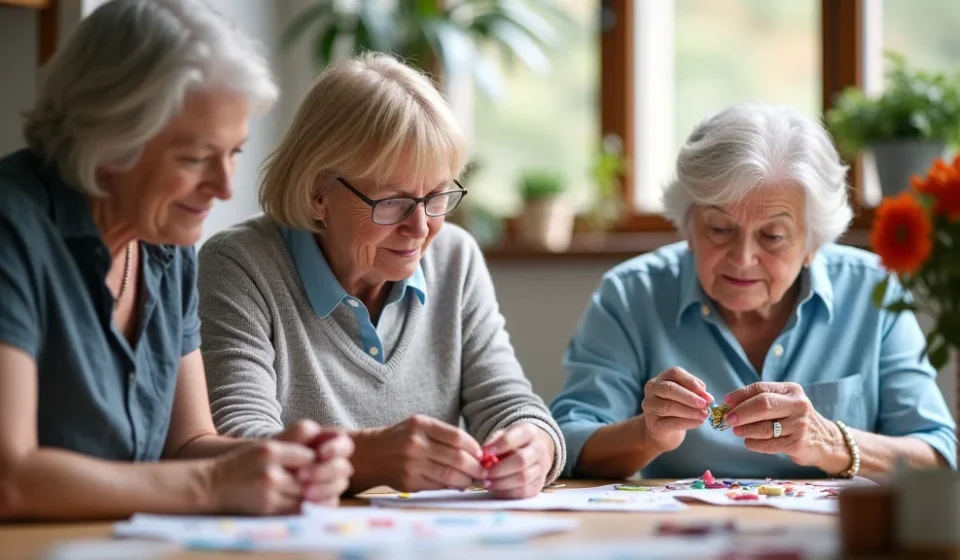

Remember that feeling of accomplishment after finishing a handmade gift? Imagine that joy, amplified! Many seniors find immense satisfaction in creative pursuits. Perhaps your grandma has always loved knitting, or your grandpa used to whittle. Crafting ideas for seniors can reignite passions, providing a sense of purpose and connection. This post will explore a variety of projects, from simple to advanced, ensuring there’s something for everyone. You’ll gain valuable insights into choosing the right crafts, adapting projects for different abilities, and discovering the benefits of creative engagement. Get ready to explore the fulfilling world of crafting ideas for seniors and find the perfect project!
Key Takeaways
- Discover a wide array of craft projects suitable for seniors of varying skill levels.
- Learn how to adapt projects to accommodate physical limitations and preferences.
- Understand the cognitive and emotional benefits that creative activities offer.
- Find resources and tips for sourcing materials and finding crafting communities.
- Explore examples of crafts seniors can enjoy alone or in groups.
- Gain inspiration to start or support a senior crafting hobby.
Creative Projects for Joyful Engagement
The world of crafting offers a diverse landscape of possibilities, encouraging exploration of talents and providing many chances for individuals to shine. From simple, straightforward activities to more complex and involved projects, there’s always something to discover. The right craft can unlock inner creativity and a sense of accomplishment. This section will explore a diverse array of creative projects perfect for seniors, considering both skill levels and preferences. Let’s explore the perfect project to make time more exciting, rewarding and meaningful.
Knitting and Crochet: Stitching Together Comfort
Knitting and crochet are wonderful options, known for their calming and repetitive motions. Both are easy to learn, requiring only basic supplies. These crafts offer a satisfying way to create warm, comforting items like scarves, blankets, and hats. The rhythmic movements can be very therapeutic, aiding in relaxation and focus. There are numerous online tutorials and pattern resources available for every skill level, allowing for continuous learning and progress. Let’s explore the beautiful and creative world of yarn!
- Simple Projects for Beginners: Start with simple scarves, dishcloths, or small squares. These projects are great for learning the basic stitches without feeling overwhelmed.
- Adaptive Tools and Techniques: Use larger needles or hooks for easier handling. Consider using thicker yarn, which is quicker to work with and offers better visibility. Adaptive tools like ergonomic handles are available to improve grip.
- Community and Connection: Join a knitting or crochet group, either online or in person. Sharing projects and experiences with others can provide support, inspiration, and a sense of belonging.
- Project Variety: Explore different patterns and yarn weights to create a range of items. From baby blankets to intricate afghans, the possibilities are endless.
Painting and Drawing: Expressing Artistic Visions
Painting and drawing allow seniors to express their creativity and artistic vision. These activities enhance fine motor skills and provide a sense of accomplishment. The choice of medium—watercolor, acrylics, colored pencils, or pastels—is completely up to the individual. These forms of art are very versatile, and you can create masterpieces for others to enjoy. Art also provides a form of self-expression and is a wonderful way to relax. Let’s look at more ways to express oneself through colors, shapes, and textures.
- Beginner-Friendly Techniques: Start with simple exercises, such as sketching basic shapes or painting still life objects. Learn about color mixing and basic techniques like blending and shading.
- Adapting for Accessibility: Use easels that can be adjusted to comfortable heights. Choose paints with good coverage to reduce the need for multiple layers. Consider using larger brushes or grips to assist with holding.
- Explore Different Subjects: Paint landscapes, portraits, or abstract designs. Experiment with different styles and techniques to find what you enjoy most.
- Therapeutic Benefits: Art can serve as a form of therapy, promoting relaxation, and reducing stress. It offers a creative outlet for emotions and thoughts.
Collage and Scrapbooking: Preserving Memories
Collage and scrapbooking are fantastic ways to preserve memories and showcase creativity. These activities involve arranging photos, mementos, and decorative papers into visually appealing layouts. Scrapbooks tell stories, document special events, and create tangible reminders of the past. These crafts require a variety of skills, and they can be enjoyed alone or with family members, making them a very versatile choice. Let’s see some creative ways of putting memories and stories together.
- Simple Collage Ideas: Start by creating themed collages, such as a travel scrapbook or a family history album. Use pre-cut shapes and stickers to simplify the process.
- Adapting Scrapbooking: Use pre-designed scrapbook pages to reduce the amount of cutting and assembling required. Consider using large-print captions and labels for easier readability.
- Memory Preservation: Scrapbooking can be a social activity, perfect for sharing and reminiscing. Document special events, vacations, or everyday moments.
- Creative Variety: Experiment with different layouts, textures, and embellishments. Use various techniques, such as layering, adding washi tape, or including fabric scraps.
Choosing the Right Projects and Accommodating Challenges
Selecting the right crafting project involves matching individual abilities, interests, and any physical limitations. It’s crucial to consider the level of dexterity, vision, and mobility. Adapting projects to meet individual needs ensures a positive and enjoyable experience. This process is all about making the activity accessible and rewarding for everyone. Let’s delve into these important considerations.
Assessing Abilities and Interests
Before beginning a crafting project, consider the physical and cognitive capabilities of the senior. Some people might find detailed work difficult, while others have no challenges. Understanding any limitations is key to selecting appropriate activities. In addition, recognizing personal interests ensures that the craft will be engaging and enjoyable. Selecting projects that align with their preferences will increase the likelihood of success and a sense of accomplishment.
- Physical Assessment: Consider fine motor skills, hand strength, and vision. Are small details difficult to manage? Can the individual hold tools comfortably?
- Cognitive Assessment: Assess focus, attention span, and memory. Do longer projects hold their interest? Can they follow multi-step instructions?
- Interests and Preferences: Discuss past hobbies, favorite colors, and preferred subjects. What kind of items do they enjoy creating or using?
- Adaptability: Choose projects that can be easily modified to accommodate specific needs. Look for adaptable tools, materials, and techniques.
Adapting Projects for Physical and Cognitive Limitations
Modifying projects makes crafting accessible and enjoyable for everyone. Consider tools and techniques that minimize strain and maximize ease. By making small adjustments, you can remove any obstacles that can get in the way of a positive crafting experience. This approach ensures that individuals can enjoy the creative process regardless of physical limitations. Adapting projects can be easily achieved through simple modifications.
- Assistive Tools: Use ergonomic tools, large-handled scissors, and magnifiers. These tools can enhance comfort and make handling easier.
- Simplified Techniques: Break down complex steps into smaller, more manageable tasks. Use pre-cut materials and templates.
- Modified Projects: Instead of knitting, try arm knitting. Opt for coloring books with large print and bold lines.
- Support and Guidance: Provide clear instructions and offer assistance when needed. Encourage breaks and adjust the pace to suit individual needs.
Making Crafting a Social Experience
Crafting offers fantastic opportunities for social interaction and building community. Joining a crafting group, whether in person or online, provides chances for socializing, sharing ideas, and celebrating achievements. Group crafting is a wonderful method to develop relationships, exchange knowledge, and find inspiration. These connections bring joy, support, and the satisfaction of sharing your love of craft with others.
- Group Activities: Start a crafting club or join a senior center. Work together on projects and share techniques.
- Intergenerational Collaboration: Engage younger family members in crafting activities. Sharing skills is a fun way for different generations to connect.
- Online Communities: Participate in online forums and social media groups. Share your work and receive feedback from others.
- Crafting Parties: Host crafting parties. A fun way to get creative, learn new crafts, and build friendships.
Finding Inspiration and Sourcing Materials
Locating sources of inspiration, ideas, and materials can make the creative process simpler and more fun. Access to resources and support is essential for those who want to begin or continue their crafting endeavors. Whether you are looking for fresh ideas, high-quality supplies, or a creative community, several avenues are open to help you on your crafting adventure. Let’s investigate the different ways to get started.
Sources of Ideas and Inspiration
Coming up with innovative ideas is a great way to stay motivated and interested in the craft. Researching ideas and inspiration from different sources keeps you excited about the craft and provides fresh perspectives. Whether it is a traditional project or a modern twist, these ideas will keep you from feeling bored with your craft. It will also help you create one-of-a-kind projects. Let’s see different sources of inspiration.
- Magazines and Books: Explore craft magazines and books for patterns, techniques, and project ideas. These sources give inspiration and step-by-step instructions.
- Online Platforms: Browse crafting websites, blogs, and social media for tutorials, inspiration, and trends.
- Local Craft Stores: Visit craft stores to explore materials, attend workshops, and talk to other crafters.
- Community Events: Attend craft fairs, festivals, and workshops for hands-on learning and inspiration.
Where to Find Crafting Materials
Locating supplies and tools is necessary for the smooth execution of a crafting project. This involves knowing where to find high-quality materials and tools that are appropriate for a variety of craft projects. You can save money and enhance your crafting experience by selecting the right suppliers. From basic supplies to specific instruments, let’s explore the best places to get the materials you need to begin creating.
- Local Craft Stores: Craft stores provide a wide range of materials and the opportunity to see items in person.
- Online Retailers: Websites provide a great selection of supplies, materials, and affordable pricing.
- Thrift Stores and Garage Sales: Thrift shops and garage sales provide affordable materials, and vintage pieces for your next crafting project.
- Recycled Materials: Using recycled materials is a great way to make your crafting project eco-friendly. Use old newspapers, magazines, or fabric scraps.
Creating a Crafting Community
Crafting communities provide a fantastic setting for support, inspiration, and friendship. Sharing your work and learning from others improves the enjoyment and growth. By participating in crafting groups, events, and online communities, you can develop your skills and enjoy a shared love for creativity. Crafting communities are also a great way to get feedback and motivation to start your next project. It’s a rewarding way to share your love of crafting.
- Local Craft Groups: Joining a local group connects you with like-minded individuals and offers social opportunities.
- Online Forums and Communities: Online platforms enable you to share your work, seek help, and connect with other crafters worldwide.
- Workshops and Classes: Taking classes is a great way to learn new skills and meet other crafters.
- Share Your Knowledge: Teach others the skills you have developed to contribute to your community.
Crafting and the Brain: Cognitive and Emotional Benefits
Crafting provides a wealth of benefits that span beyond just the finished product. These activities can stimulate cognitive functions and offer therapeutic effects. This section explores how creating can improve a senior’s overall well-being. By investigating these advantages, we can better understand the significance of crafting as a powerful tool for aging well. Let’s learn about the importance of crafting and how it can improve a senior’s life.
Cognitive Stimulation and Brain Health
Crafting activates various cognitive abilities. Tasks like planning, following instructions, and problem-solving keep the mind sharp. Regular participation improves memory, concentration, and cognitive flexibility. This intellectual stimulation helps combat age-related cognitive decline and enhances mental acuity. Let’s delve into how these creative activities contribute to better cognitive function.
- Memory Enhancement: Remember patterns, steps, and techniques. Recalling instructions can significantly improve memory function.
- Concentration and Focus: Crafting requires sustained attention, helping individuals to sharpen their focus skills.
- Problem-Solving Skills: Overcoming challenges in projects sharpens problem-solving skills. Learning from mistakes and adjusting techniques builds resilience.
- Cognitive Flexibility: Adapting patterns or methods to meet specific needs promotes flexibility and creative thinking.
Emotional Well-being and Mental Health
Crafting provides emotional advantages, giving a sense of accomplishment and purpose. It is a fantastic outlet for expression and stress reduction. These creative activities provide a sense of social connectedness. This can help seniors improve their overall emotional well-being and boost their mental health. Creating also helps seniors manage challenging emotions and build a more optimistic outlook.
- Stress Reduction: The repetitive movements involved in crafting are soothing and contribute to relaxation. This helps reduce stress and promotes peace.
- Sense of Achievement: Completing a project provides a feeling of success and boosts self-esteem. Enjoying the fruits of your labor is very rewarding.
- Creative Expression: Crafts provide a way to express feelings and ideas. Personalizing projects and expressing individuality through creativity is very important.
- Social Connection: Participating in crafting groups and communities enhances social engagement. Building connections with others reduces feelings of loneliness.
The Therapeutic Value of Crafting
Crafting acts as a type of therapy that offers significant advantages for physical and emotional health. From reducing stress to improving mobility, the therapeutic value of crafting is essential for maintaining a healthy and fulfilling life. Using creative activities as a form of therapy offers an important method for seniors to improve their quality of life. Let’s examine how the use of crafting may improve overall well-being.
- Physical Benefits: Crafting improves fine motor skills and hand-eye coordination. It enhances mobility, especially in those with arthritis or other conditions.
- Emotional Regulation: Crafts provide an emotional outlet, allowing the handling of emotions like grief or anxiety.
- Sense of Purpose: Crafting offers opportunities for meaningful engagement and a sense of contribution.
- Increased Resilience: Successfully completing a project creates resilience. Creative pursuits help build confidence and a sense of self-worth.
Common Myths Debunked
Myth 1: Crafting is Only for “Artists”
In truth, anyone can enjoy crafting. The ability to create does not require special training. The goal of crafting is enjoyment, expression, and the joy of creating something by hand. No one has to be a master. Many crafts have simple instructions that are easy to follow, and the learning curve is not hard.
Myth 2: Crafting Requires Expensive Materials
Many fantastic crafts can be made with inexpensive materials. Crafting may incorporate recycled materials, or affordable options. The goal is to start slowly and choose items that interest you. Crafting is a great way to save money, and it is also fun.
Myth 3: Crafting Is Too Difficult for Seniors
Crafting is adaptable to all skill levels and ages. Many crafts may be adjusted to accommodate physical restrictions. There are many simple projects for beginners. The goal is to find an activity that is exciting and doable.
Myth 4: Crafting Is a Waste of Time
Crafting is a worthwhile pastime. It offers a variety of benefits for both mental and physical health. Crafting promotes cognitive function, self-esteem, and social engagement. Crafting gives a sense of achievement and provides creative expression.
Myth 5: Crafting is a Lonely Activity
Crafting can be a social activity. Crafting provides the chance to join groups, attend workshops, and interact with other creatives. Working with others and sharing your work is a fantastic way to develop connections and friendship.
Frequently Asked Questions
Question: What crafts are best for seniors with limited mobility?
Answer: Easy crafts include knitting, collaging, and painting. Adaptations like ergonomic tools and pre-cut materials will help.
Question: How do I find local crafting groups?
Answer: Check local senior centers, community centers, and online platforms. Look for workshops and clubs.
Question: Where can I find simple craft patterns?
Answer: Many websites and magazines offer simple crafts. Look for beginner-friendly patterns.
Question: Is crafting good for seniors with dementia?
Answer: Yes, crafting can help with cognitive function, memory, and emotional well-being.
Question: How do I get started if I’ve never crafted before?
Answer: Begin with basic crafts. Start with easy projects and choose something you enjoy. Local libraries are also an excellent resource.
Final Thoughts
Crafting ideas for seniors provide a vibrant avenue for maintaining a fulfilling life. The many projects offer a gateway to creativity, happiness, and social bonds. From knitting and painting to collage and scrapbooking, the options provide chances for artistic expression and a sense of accomplishment. Adapting projects and utilizing tools to meet personal needs ensures accessibility and satisfaction. The positive benefits extend to improved cognitive function and mental well-being, as well as a sense of purpose. Whether you are new to crafting or a seasoned pro, the world of crafts holds plenty of opportunities. Encourage others to get involved, and you will see how these activities can improve their lives. Now it is time to find a project and start crafting!