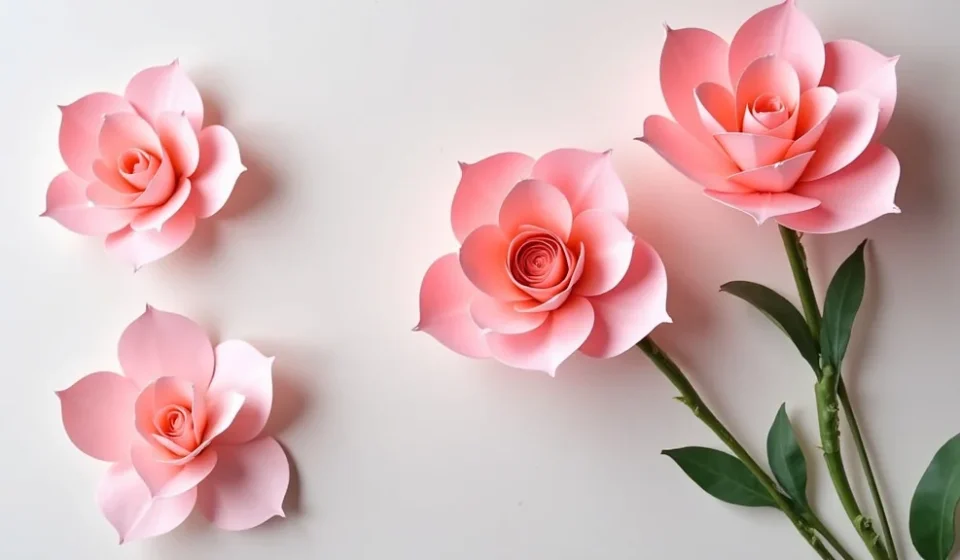

Remember that time you saw those stunning paper roses in a boutique window? I do! I remember thinking, “Wow, those are amazing, but I could never make something like that.” Well, guess what? You can! This guide is all about crafting paper flowers at home, no advanced skills required. We’ll explore various techniques and offer beginner-friendly instructions. You’ll not only learn how to create beautiful floral decorations but also gain a rewarding new hobby. By the end, you’ll be armed with the knowledge and confidence to make your own paper blossoms. This is your chance to add a touch of handmade charm to your life.
Key Takeaways
- Discover different paper types perfect for crafting paper flowers at home.
- Master essential techniques like cutting, folding, and shaping paper petals.
- Learn to create various flower styles, from simple roses to elegant lilies.
- Find useful templates and resources to simplify your crafting process.
- Explore creative ways to display and use your paper flower creations.
- Gain confidence in your ability to craft beautiful handmade decorations.
Getting Started with Crafting Paper Flowers
The beauty of crafting paper flowers at home lies in its simplicity. You don’t need expensive equipment or a vast workspace. The initial investment is minimal, making it an ideal activity for both casual crafters and those seeking a new creative outlet. The materials are readily available, and the instructions are often straightforward. This section will introduce you to the basic tools and materials you’ll need to begin your crafting adventure. Getting started is easy, and you’ll find that the process is as enjoyable as the finished product. The satisfaction of creating something beautiful with your own hands is truly unmatched.
Essential Tools and Materials
Before you begin crafting paper flowers at home, gathering the right tools and materials is important. This ensures a smooth and enjoyable crafting experience. It also helps to achieve the desired results. Fortunately, the required items are readily accessible, and many can be found around your house. Prioritize a well-lit workspace to allow for better visibility and detailed work. While you can often improvise, having the right tools makes the entire process easier and more efficient. Investing in a few basic items now will pay off as you delve deeper into the craft.
- Paper: The type of paper you choose will impact the final look of your flowers. Consider a range of weights and textures. For beginners, start with cardstock or crepe paper. Cardstock is sturdy and holds its shape well, while crepe paper is flexible and allows for natural-looking folds and curves. Experiment with different colors and patterns to add variety to your creations. Consider using scrapbooking paper for unique designs.
- Scissors or Craft Knife: Precise cutting is essential for shaping petals and leaves. Sharp scissors are crucial for cutting through multiple layers of paper. A craft knife can offer more precision, particularly for intricate designs. A self-healing cutting mat is highly recommended to protect your work surface. Always prioritize safety when using sharp tools, and supervise children.
- Glue: The right adhesive ensures your flowers stay together. Choose a glue that’s strong and dries clear. Options include craft glue, hot glue (use with caution), and glue dots. The best choice depends on the paper type and complexity of your design. For delicate petals, a fine-tipped glue bottle allows for precise application. Consider the drying time to avoid smearing the glue.
- Floral Wire or Stems: Wire helps to shape the flower and allows for easy arrangement in vases or bouquets. Floral wire comes in various gauges, so choose the thickness that suits your project. Alternatively, you can use pre-made floral stems for easier assembly. These stems often include green tape to give a natural look.
- Other Tools: Additional useful items include a ruler, pencil, floral tape (for wrapping stems), and various shaping tools. Toothpicks or a round-tipped stylus can help curl and shape petals. A bone folder is useful for scoring paper for clean folds. Experiment with different tools to find what works best for you and the design.
Types of Paper for Paper Flowers
The selection of paper is one of the most exciting aspects of crafting paper flowers at home. Different paper types offer unique textures, colors, and qualities, influencing the overall appearance of your creations. Each paper type has its advantages and disadvantages, so explore various options to suit different flower styles and needs. Consider the desired final effect, durability, and the ease of working with the material. Experimentation will help you discover the perfect paper combinations for your projects. Keep in mind that different paper types require different techniques.
- Cardstock: This is a sturdy and versatile option. It’s available in a variety of colors and weights. Cardstock is excellent for creating flowers that hold their shape well, such as roses and peonies. The heavier weight of cardstock gives the flowers a more structured appearance. It’s often easy to cut and handle.
- Crepe Paper: Known for its flexibility and stretch, crepe paper is ideal for creating realistic, textured flowers. The rippled texture of the paper adds dimension and a natural look. It is also available in many colors and is frequently used for making roses, carnations, and other blooms. Crepe paper can be easily shaped and molded to create curved petals.
- Tissue Paper: This delicate paper is perfect for creating lightweight and airy flowers. Tissue paper comes in an array of vibrant colors. It is often used for making tulips, lilies, and other delicate flowers. While tissue paper requires careful handling, it can create beautiful, translucent effects. Be gentle when cutting and shaping tissue paper to prevent tearing.
- Specialty Papers: Experiment with specialty papers like metallic paper, watercolor paper, and patterned paper to add unique textures and effects. Metallic paper adds a shimmering effect. Watercolor paper can be used to add unique colors. Patterned paper provides ready-made designs, saving time and effort. Specialty papers can elevate your flower creations.
Basic Techniques for Paper Flower Creation
Mastering basic techniques will open doors for you when crafting paper flowers at home. These foundational skills are essential for constructing different flower types. Practice is key to perfecting these techniques. Remember, the more you practice, the easier and more enjoyable the process becomes. Start with simple designs and gradually advance to more intricate projects. The goal is to develop a good understanding of these basic techniques to ensure your creations are both beautiful and durable. Let’s delve into the techniques that will assist you in your creative journey.
- Cutting: Precise cutting is important. Use sharp scissors or a craft knife to cut out petals, leaves, and other components. Follow templates or draw your own designs. For intricate cuts, use a craft knife with a self-healing cutting mat to protect your work surface. Practice controlling your hand movements to create clean, accurate cuts.
- Folding: Folding adds dimension and shape to petals and leaves. Experiment with different folding techniques, such as accordion folds, fan folds, and petal folds. Ensure the folds are crisp and even to create visually appealing flowers. Use a bone folder for creating sharp creases. Vary the folding techniques to achieve different effects.
- Shaping: Shaping gives petals a natural and realistic look. Gently curl, curve, or crimp the edges of petals using your fingers, a pencil, or a shaping tool. For crepe paper, stretching and pulling the edges can create realistic shapes. The shaping technique should match the design to give the petals the intended form.
- Gluing: Proper gluing is crucial for assembling your flowers. Apply glue sparingly and evenly to ensure all components stick together. Consider the type of glue, drying time, and the paper to be used. Use a fine-tipped glue bottle or applicator for precision, especially on delicate parts. Ensure a strong bond so your flower lasts.
Designing Different Paper Flowers
Once you are comfortable with the basics, it’s time to explore designing different flower varieties when crafting paper flowers at home. From simple roses to intricate lilies, there is a flower to fit every skill level and preference. The best thing is, you do not need any special drawing abilities to be creative! This section offers step-by-step instructions and insights to create several popular flowers, as well as creative tips to customize your designs. As you gain more experience, you’ll be able to create your unique floral designs. Experimentation with different designs will also boost your skills.
Creating Paper Roses
Paper roses are a classic choice for crafting paper flowers at home. They are beautiful, versatile, and relatively straightforward to make. Many online resources and tutorials will assist you throughout the process. The process starts with the creation of the petals. Various methods exist, allowing you to tailor your creations. Learn a few simple steps, and you’ll soon be able to create gorgeous paper roses. The more roses you create, the faster and more proficient you’ll become, so feel free to experiment!
- Materials: Cardstock or crepe paper, scissors or craft knife, glue, floral wire or stem, and a pencil. Choose the colors you prefer to start.
- Petal Cutting: Create a spiral or individual petal shapes. For spiral roses, cut a spiral from a circular piece of paper. For individual petals, use a template or draw your own petal shapes. Cut the spiral or individual petals carefully.
- Assembly: For spiral roses, start rolling the spiral from the outer end, forming a cone. Secure the base with glue. For individual petal roses, glue each petal around a central bud.
- Shaping: Gently curl the edges of the petals to create a natural look. Use your fingers or a pencil to shape the petals. This will give your rose a realistic look.
- Finishing: Add leaves to the base of the rose, attach it to a floral wire or stem. Use floral tape to secure the leaves to the stem, if applicable. Once finished, you will have a beautiful paper rose.
Crafting Paper Lilies
Paper lilies, with their elegant curves and intricate designs, will allow you to explore a new level when crafting paper flowers at home. They may seem complex at first glance, but with a few simple steps, you can create stunning replicas. This section walks you through crafting a classic lily. Remember, patience is key, and the results are worth the effort. Let’s explore how you can craft paper lilies that look incredibly real. Follow the steps, and you will have created some beautiful lilies.
- Materials: Cardstock or crepe paper, scissors or craft knife, glue, floral wire or stem, and a pencil. White and green are commonly used.
- Petal Cutting: Use a template to cut out the lily petals. The number of petals depends on the chosen design. Lilies often have six petals that are broad and slightly curved.
- Petal Shaping: Gently curve the petals to mimic a lily’s natural shape. Use your fingers or a shaping tool to achieve this effect.
- Assembly: Glue the petals together to form the lily bloom. Arrange the petals so that they overlap slightly.
- Stem and Finishing: Attach the lily bloom to a floral wire or stem. Create stamens and a pistil using fine wire or paper. Add leaves to the stem for a more natural look.
Experimenting With Other Flower Types
The beauty of crafting paper flowers at home lies in its versatility. You are not limited to roses and lilies. Many other beautiful flowers will allow you to test your creativity. This section aims to inspire you to explore different types of flowers. You can expand your crafting capabilities. Explore unique methods to test your creative side. Be open to trying various designs, and you’ll find there are limitless possibilities. With some exploration and practice, you can broaden your knowledge of flower designs.
- Peonies: These flowers are known for their fullness and layered petals. Create peony blooms by cutting out multiple layers of petals in various sizes and shaping each layer. Glue the layers together to create a dense, full flower. Use crepe paper for added texture.
- Sunflowers: Sunflowers add a cheerful touch to any arrangement. Cut out a large circle for the center and add numerous yellow petals around it. You can make the center with crumpled paper.
- Daisies: These are simple yet elegant. Cut out petals and glue them around a small, circular center. Use white paper for the petals and a yellow center.
- Tulips: Cut the petals and shape them to create a tulip’s cup-like appearance. The petals can then be glued together.
Displaying and Using Your Paper Flowers
Once you’ve mastered the art of crafting paper flowers at home, it’s time to bring them to life. The possibilities for displaying and using paper flowers are as limitless as your imagination. From simple home decorations to elaborate event decor, your handmade creations can add a personal and beautiful touch to any setting. This section will explore various ideas and provide tips to showcase your paper flower creations effectively. From individual blooms to full arrangements, the ways to display and use your paper flowers are many.
Creating Floral Arrangements
Creating beautiful floral arrangements allows you to showcase your skill in crafting paper flowers at home. By combining various flowers, colors, and textures, you can create eye-catching displays that add beauty to any space. Floral arrangements can be used for special occasions and daily decorations. This section offers tips and ideas to create stunning floral arrangements, whether you’re decorating a table or preparing for an event. Experimenting with different compositions is fun, so gather your flowers and creative vision.
- Vase Selection: Choose a vase that complements your paper flowers. Consider the shape, size, and material of the vase. Clear glass vases allow the beauty of the flowers to shine through. Choose vases that match the style of your flowers.
- Arrangement Techniques: Learn basic techniques, such as arranging flowers in layers. Place taller flowers in the back and smaller flowers in the front. Varying the height and color adds visual interest.
- Color Coordination: Pick colors that coordinate to create visually appealing arrangements. Use contrasting colors to create a bold look or select complementary colors for a more subtle design. Think about the mood you wish to create.
- Adding Greenery: Add paper or real greenery to your arrangements to create an impression. This will add a natural look and enhance the overall aesthetic. Place greenery around the flowers.
Decorating With Paper Flowers
Paper flowers can transform your home. The act of crafting paper flowers at home and using them for decoration is rewarding. They offer a simple way to add color and personality to any space. From wall decor to table settings, paper flowers provide a creative touch. This section provides inspiring ideas to decorate your home with your paper flower creations. Unleash your creativity and find your unique style. Let’s see some creative ways to use paper flowers.
- Wall Decor: Create stunning wall art. Arrange paper flowers on a canvas or directly on the wall. Experiment with different arrangements. Group flowers in a cohesive pattern or arrange them freely for a more organic look.
- Table Settings: Use paper flowers as centerpieces or place settings for special events or dinners. You can also use them to decorate the napkins. You will elevate any table with paper flowers.
- Gift Wrapping: Add paper flowers to gift wrap. Create beautiful and personalized presents. You can also add a touch of handmade charm with your floral embellishments.
- Seasonal Decorations: Use paper flowers to create seasonal decorations. For spring, add colorful tulips and daffodils. For fall, create warm-toned chrysanthemums.
Other Creative Uses
Beyond home decorations, the uses for your paper flower creations when crafting paper flowers at home extend to several creative projects. Whether you are seeking new hobbies, want to create personalized gifts, or explore artistic avenues, paper flowers provide creative options. This section showcases innovative methods to integrate paper flowers into other craft projects. The possibilities are truly exciting. Unleash your creative side and see how your paper flower creations can enhance other crafts.
- Greeting Cards: Adorn greeting cards with small, delicate paper flowers. This is a great way to create personalized and heartfelt cards. Use a variety of flower types and colors to match the occasion.
- Party Decorations: Use paper flowers to create party decorations, such as garlands, backdrops, and table decorations. They can add a festive touch to any celebration.
- Headbands and Hair Accessories: Create beautiful hair accessories. Attach paper flowers to headbands, hair clips, or barrettes. Choose the flower types and colors that match the occasion.
- Scrapbooking: Use paper flowers to embellish scrapbook pages. Add a creative touch to your memories. Place the flowers around photos.
Common Myths Debunked
Myth 1: Crafting Paper Flowers Is Only for Experienced Crafters
The truth is, many basic crafting paper flowers at home techniques are beginner-friendly. Simple tutorials and guides provide clear, step-by-step instructions that anyone can follow, regardless of experience. You do not need any special drawing abilities or artistic skills to start. You can begin with easy projects and slowly try more intricate designs. The key is patience and willingness to experiment.
Myth 2: Paper Flowers Are Not Durable
While paper is delicate, properly made paper flowers can be surprisingly durable. Using quality paper, sturdy glue, and careful construction will increase the lifespan of your creations. With proper care and storage, your paper flowers can last for months or even years. Store them away from direct sunlight and humidity to prevent fading and damage.
Myth 3: Crafting Paper Flowers Requires a Lot of Expensive Tools
You can begin crafting paper flowers at home with a few basic tools that you may already have on hand. Scissors, glue, and paper are often enough to get started. As you advance, you might want to invest in specialty tools. However, for a beginner, the initial cost is minimal. Many household items can also be used, such as pencils, rulers, and shaping tools.
Myth 4: Paper Flowers Look Fake and Unrealistic
With the right techniques and materials, paper flowers can look incredibly realistic. By choosing the appropriate paper types, using shaping techniques to mimic natural forms, and adding details like stamens and leaves, you can create flowers that are difficult to distinguish from the real thing. Many advanced techniques can make them look real.
Myth 5: It’s Too Time-Consuming to Craft Paper Flowers
The time investment varies, depending on the complexity of the flower and the crafter’s skill level. However, many simple flower designs can be completed in an hour or two. As you become more skilled and efficient, the process will become faster. Consider it a relaxing and rewarding activity. You can complete some designs in minutes.
Frequently Asked Questions
Question: What is the best type of paper for crafting paper flowers at home?
Answer: It depends on the look you want! Cardstock is great for flowers that hold their shape. Crepe paper is best for realistic, textured blooms. Tissue paper is good for airy flowers. Experiment with different types to see what you like.
Question: What tools do I need to start making paper flowers?
Answer: You will need paper, scissors or a craft knife, glue, and floral wire or stems. Additional tools can be helpful but are not required. A ruler, pencil, and shaping tools can make the process easier.
Question: How do I make the petals look realistic?
Answer: Use shaping techniques to give the petals a natural look. Gently curl, curve, or crimp the edges of the petals. Experiment with different methods for realistic shapes.
Question: Can I use hot glue for paper flowers?
Answer: Hot glue can be used, but with caution. It dries fast, so it’s good for quick projects. It can also cause the paper to warp if you use too much. Use a low-temperature hot glue gun.
Question: How can I display my paper flowers?
Answer: You can create floral arrangements, decorate walls, use them for table settings, or as gifts. There are many creative ways to use your paper flowers to add personality and beauty.
Final Thoughts
So, you see, crafting paper flowers at home isn’t just a hobby; it’s a portal to creativity, relaxation, and a beautiful way to add a personal touch to your life. From selecting the perfect paper to mastering the basic techniques of cutting, folding, and shaping, the process is both engaging and rewarding. You now possess the skills to create a wide variety of flowers, from simple roses to elegant lilies, and have ideas on how to showcase them. The key is to start, experiment, and enjoy the process. Don’t be afraid to try new techniques, mix and match materials, and let your imagination bloom. The more you explore, the more your skills will improve. So, grab your supplies, get inspired, and start crafting. The beauty of handmade flowers is waiting for you! Happy crafting!